Virexa
HomeAIProgrammingCloudSecurityOpen SourceGamesMobile GamesDeveloper Hub
Sign InSign Up
Virexa
Sign InSign Up
AIProgrammingCloudSecurityOpen SourceGamesMobile GamesDeveloper Hub
Virexa

Modern AI news aggregation and newsletter platform covering technology, business, AI, games and world news.

Categories

  • AI
  • Programming
  • Cloud
  • Security
  • Open Source
  • Developer Hub

Company

  • About
  • Contact
  • Advertise

Resources

  • RSS Feed
  • API
  • Privacy Policy
  • Terms of Service

© 2026 Virexa. All rights reserved.

Virexa
HomeAIProgrammingCloudSecurityOpen SourceGamesMobile GamesDeveloper Hub
Sign InSign Up
Virexa
Sign InSign Up
AIProgrammingCloudSecurityOpen SourceGamesMobile GamesDeveloper Hub
Virexa
HomeAIProgrammingCloudSecurityOpen SourceGamesMobile GamesDeveloper Hub
Sign InSign Up
Virexa
Sign InSign Up
AIProgrammingCloudSecurityOpen SourceGamesMobile GamesDeveloper Hub
Home›Science

Science

Research breakthroughs across physics, biology, climate, and the natural world.

445 articles found

Scientists turn DNA into a memory device that uses 100x less power

Scientists turn DNA into a memory device that uses 100x less power

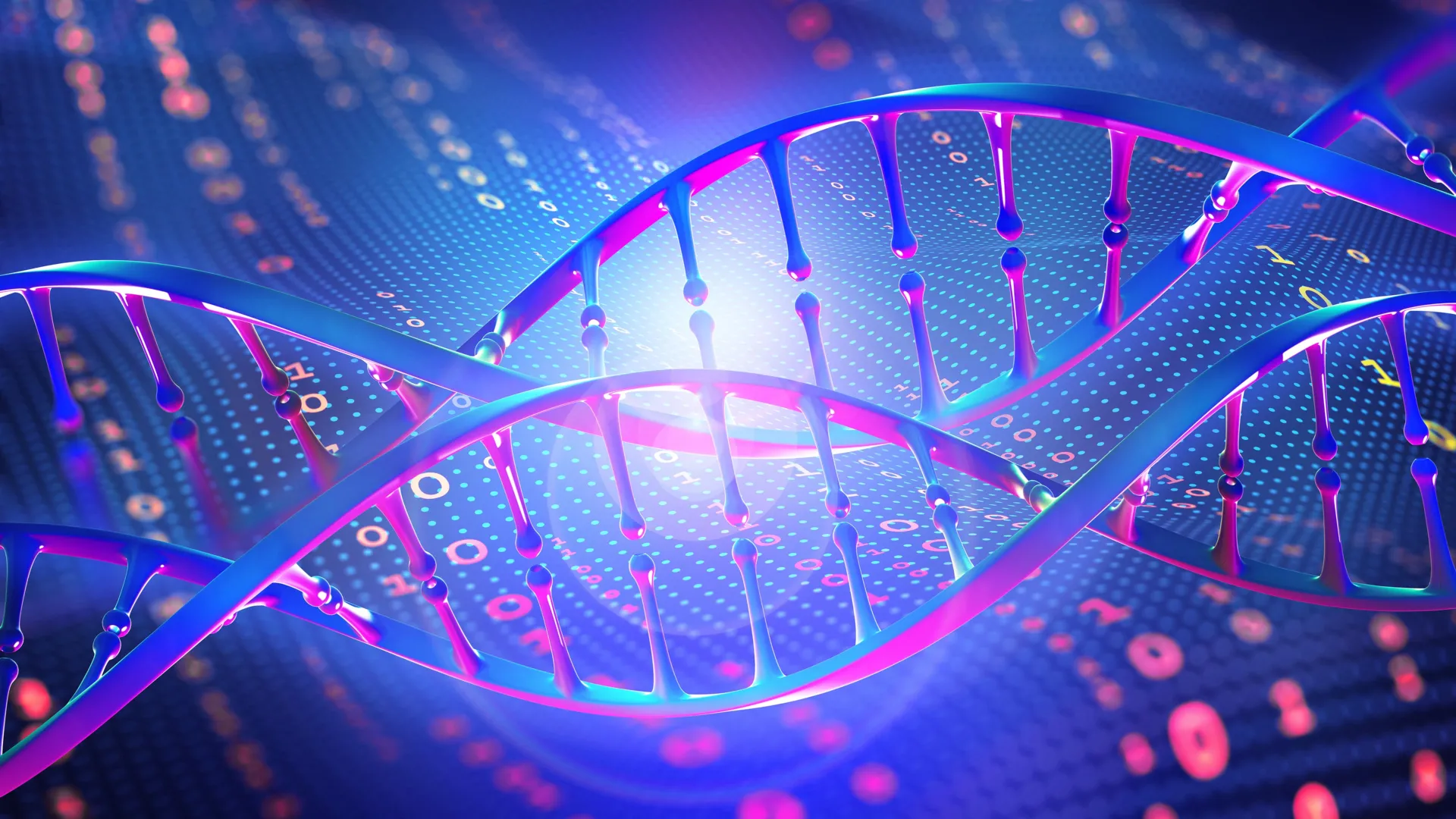
Researchers combined synthetic DNA with a semiconductor to create an ultra-low-power memory device capable of storing and processing information in the same place. The bio-hybrid technology could eventually help make AI systems and next-generation computers far more energy efficient.

ScienceDaily•August 17, 2026
Scientists tracked kids for 8 years — the screen time result was unexpected

Scientists tracked kids for 8 years — the screen time result was unexpected

An eight-year Finnish study found that children who spent more time on screens tended to show better cognitive processing as teenagers, challenging common assumptions about screen use. Researchers say the key may be balancing physical activity with screen activities that encourage learning, creativity, and active thinking.

ScienceDaily•August 17, 2026
Animals have been eating nature’s original bioplastic for millions of years

Animals have been eating nature’s original bioplastic for millions of years

Nature invented biodegradable plastic long before humans did—and animals may have been feeding on it for hundreds of millions of years. Researchers discovered that dozens of animal species possess enzymes capable of breaking down microbial bioplastics called PHAs, a talent once thought to belong only to microorganisms.

ScienceDaily•August 17, 2026
Tiny graphene wrinkles create surprisingly powerful electrical effects

Tiny graphene wrinkles create surprisingly powerful electrical effects

Scientists have discovered that tiny, sharply curved wrinkles in graphene can dramatically alter its electrical behavior, creating surprisingly strong charge separation. The finding suggests future electronics could be tuned by reshaping materials at the atomic scale instead of changing what they’re made of.

ScienceDaily•August 17, 2026
A little-known protein may be fueling Alzheimer’s — and scientists found a way to block it

A little-known protein may be fueling Alzheimer’s — and scientists found a way to block it

An experimental Alzheimer’s compound prevented damaging protein clumps from forming in the brains of mice, helping nerve cells survive longer and reducing amyloid buildup. The treatment also appeared to improve heart health and slow some signs of aging, raising hopes for an entirely new way to combat dementia.

ScienceDaily•August 17, 2026
About 100 homes swept away after Hurricane Lala lashes Hawaii

About 100 homes swept away after Hurricane Lala lashes Hawaii

The state's governor says there "amazingly" does not seem to have been any loss of life besides a car crash.

BBC•August 17, 2026
Belgian wildfire doubles in size on third day tearing through nature reserve

Belgian wildfire doubles in size on third day tearing through nature reserve

Hundreds of firefighters are trying to contain the flames consuming the major park.

BBC•August 16, 2026
This 10-cent heart drug cuts hospitalizations by 25%

This 10-cent heart drug cuts hospitalizations by 25%

A centuries-old heart drug costing less than ten cents a day could help keep heart-failure patients out of the hospital. New research suggests low-dose digoxin can reduce heart-failure hospitalizations by about 25%, potentially paving the way for its return as a major treatment.

ScienceDaily•August 16, 2026
1234567891011121314151617181920212223242526272829303132333435363738394041424344454647484950515253545556

Top Sources

Who's covering this category most

  • ScienceDaily69
  • BBC27
  • Hacker News1
  • VentureBeat1
  • Ars Technica1

Related Categories

Explore more of what's active right now

  • 💻Technology1557 articles
  • 🌍World867 articles
  • 🕹️Mobile Games815 articles
  • 📱Mobile744 articles
  • 🤖AI541 articles
  • 💼Business433 articles

Recently Added

I should have loved biologyI should have loved biologyHacker News•August 20, 2026Glass deposit operator confirmed after months of wranglingGlass deposit operator confirmed after months of wranglingBBC•August 20, 2026BBC Inside ScienceBBC Inside ScienceBBC•August 20, 2026Thunderstorm warnings expire but rain continues to bring risk of floods for UKThunderstorm warnings expire but rain continues to bring risk of floods for UKBBC•August 20, 2026Flash flooding risk as heavy rain hits UKFlash flooding risk as heavy rain hits UKBBC•August 20, 2026