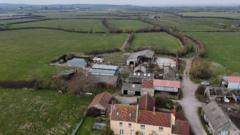
Farm to become 'beacon of hope' nature reserve
Avon Wildlife Trust says it will transform the 44-acre farm into a haven for birds, bats and newts.
BBC
Research breakthroughs across physics, biology, climate, and the natural world.
445 articles found
Avon Wildlife Trust says it will transform the 44-acre farm into a haven for birds, bats and newts.

A group of brain cells called orexin neurons appears to help us keep working when reaching a reward becomes increasingly difficult. Blocking their activity weakened motivation in rats, pointing to a possible new target for understanding why people sometimes struggle to sustain goal-directed behavior.
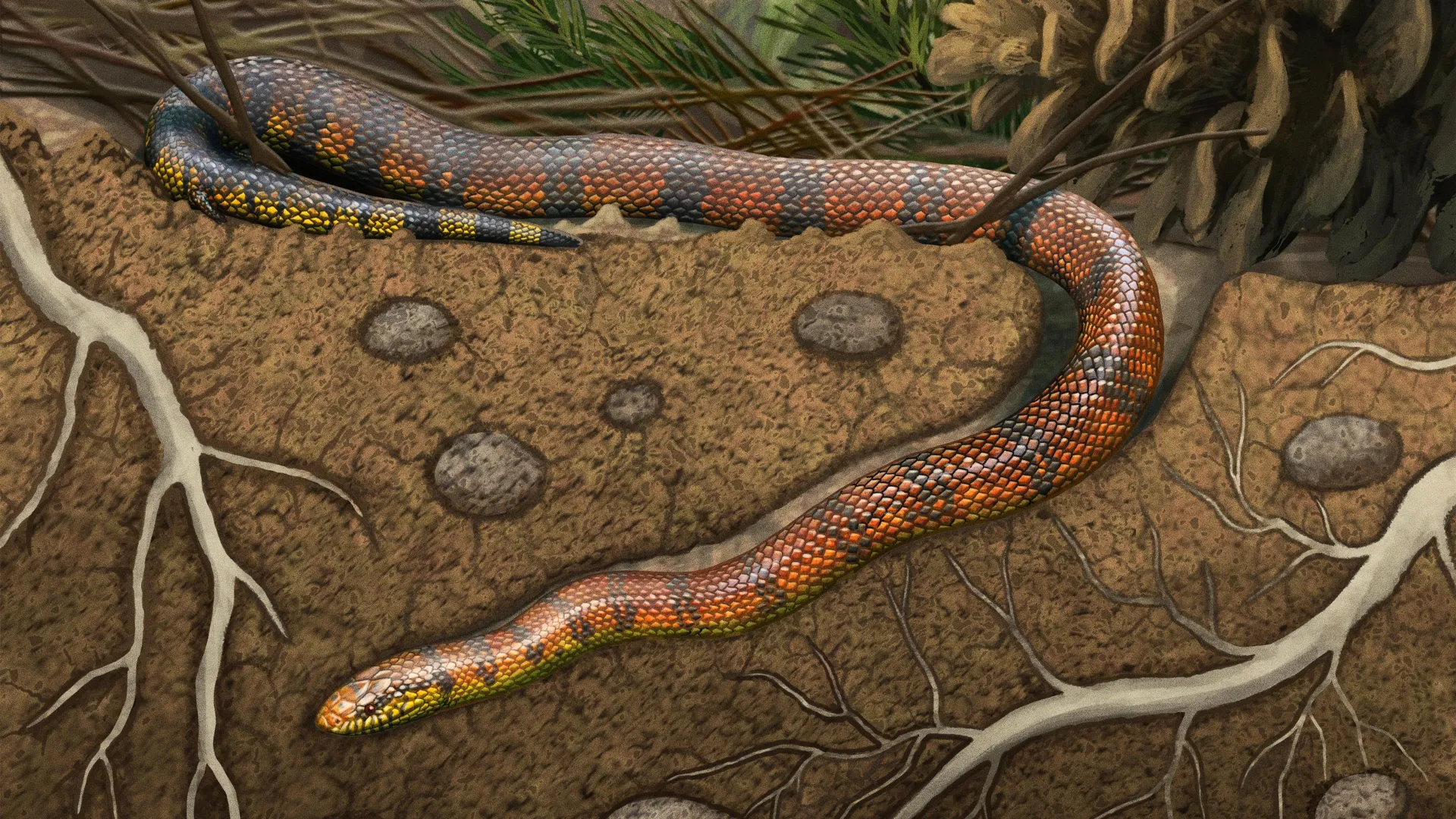
An exceptionally preserved snake fossil from Brazil reveals that early snakes were far more diverse than scientists once thought. Detailed brain reconstructions show that Tametara mirim was adapted for burrowing, while another ancient snake was suited to life above ground. Other fossils point to marine lifestyles as well. By 80 million years ago, snakes were already experimenting with very different habitats and sensory systems.

A massive crocodilian capable of attacking dinosaurs has been brought back to life as the first scientifically accurate mounted skeleton of Deinosuchus schwimmeri. The 31-foot replica at Georgia’s Tellus Science Museum was built from detailed fossil scans and more than 40 years of research by paleontologist Dr. David Schwimmer, for whom the species was named.
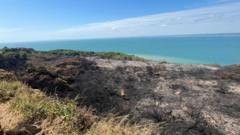
The small fire on Tuesday comes nearly two weeks after the heathland fire that burned for five days.

A massive magma reservoir has been detected deep beneath Tuscany, despite showing no obvious signs at the surface. Scientists mapped the roughly 6,000-cubic-kilometer body using natural ground vibrations recorded by dozens of seismic sensors. It poses no immediate danger, but the discovery reveals how enormous volcanic systems can remain hidden and could transform the search for geothermal energy and critical minerals.
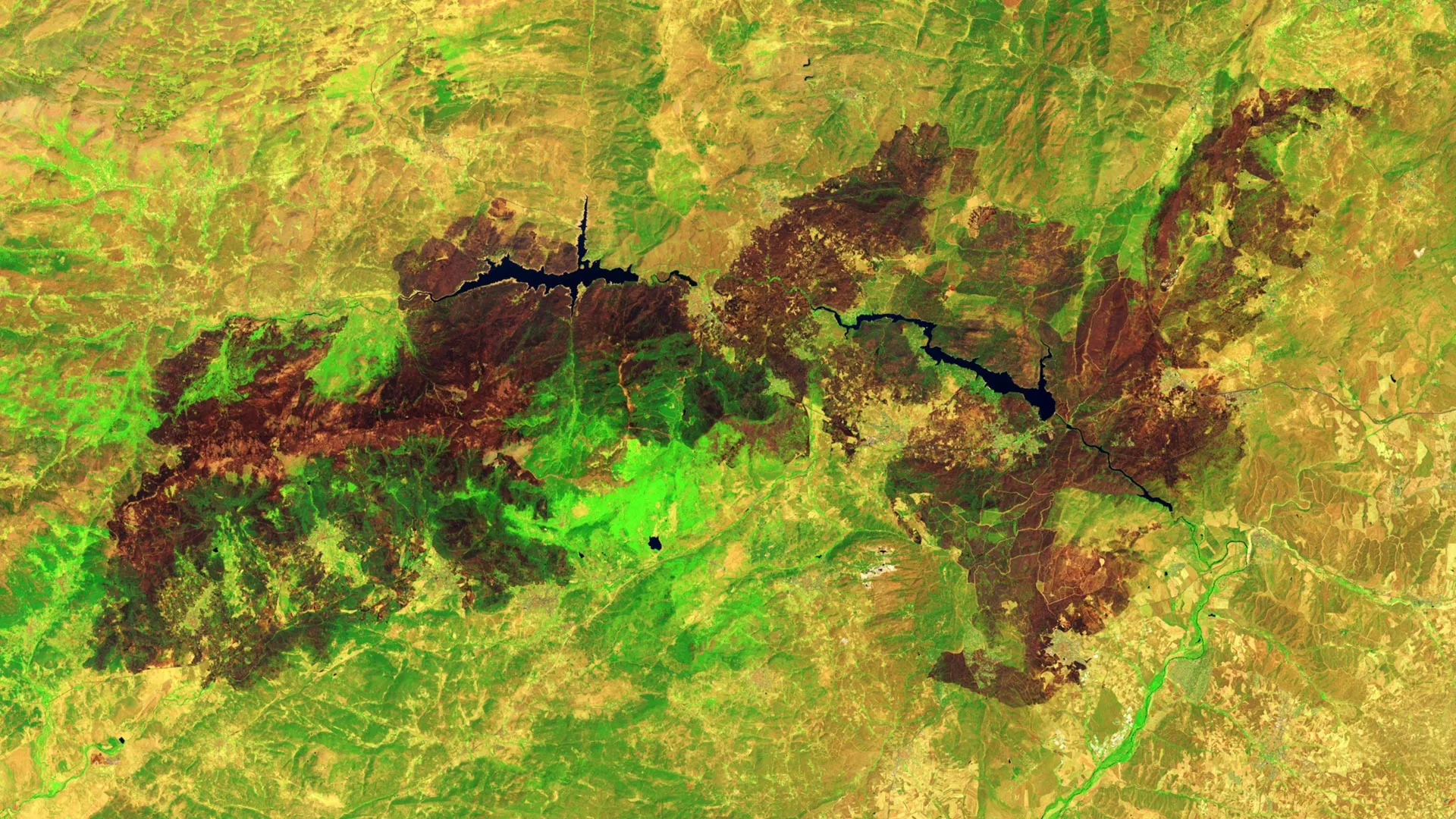
Historic wildfires scorched huge areas of Spain and France, with one Spanish blaze burning an area about the size of New York City and a French fire generating a rare, towering fire cloud. A dangerous combination of lush winter growth, severe heat, drought, and strong winds helped turn the landscape into explosive fuel.
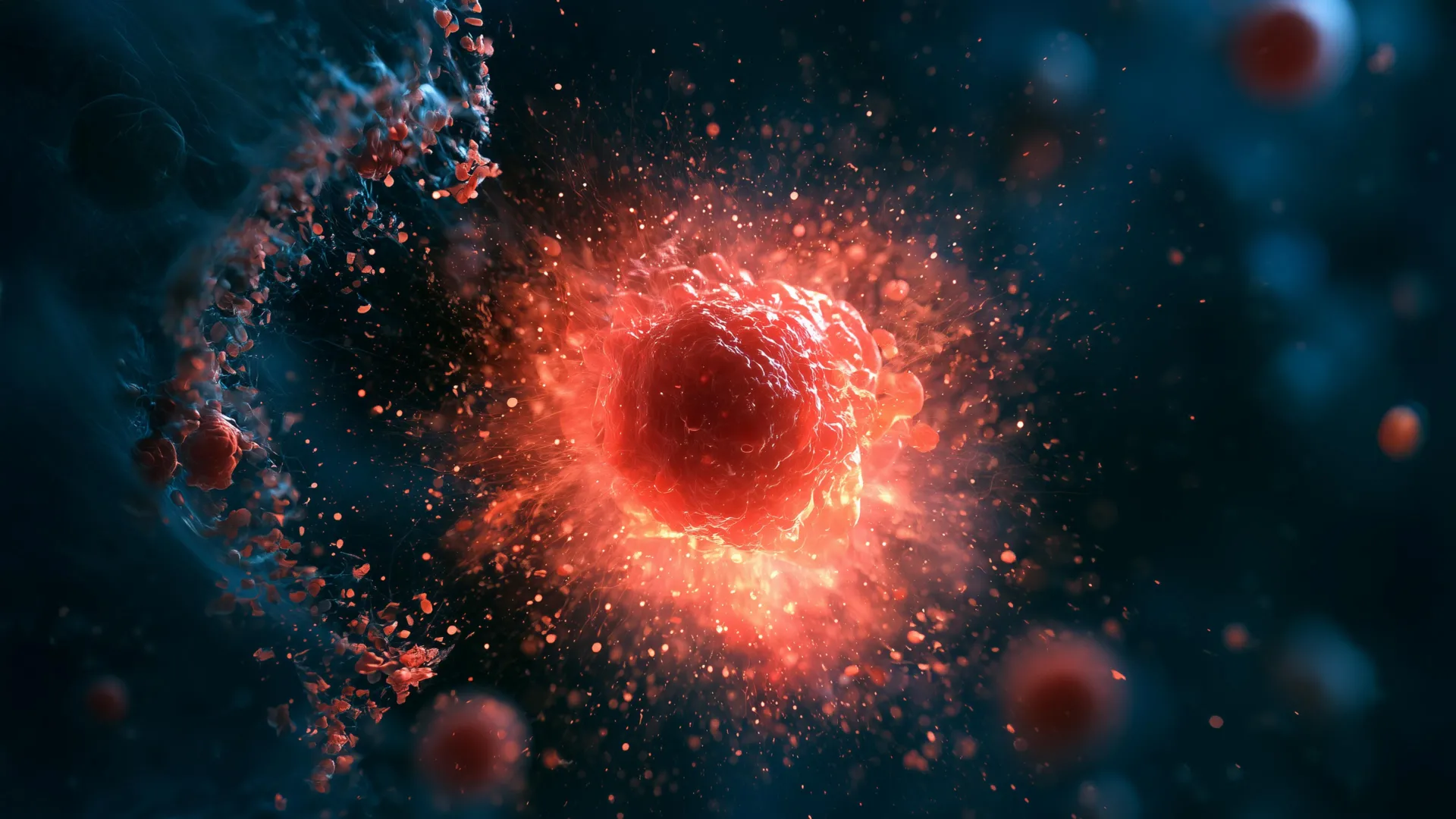
Stanford researchers discovered immune cells in flatworms that explode within minutes, killing nearby bacteria and foreign cells before vanishing completely. Their unusually fast and localized attack could offer clues for developing targeted treatments against infections and cancer.
Who's covering this category most
Explore more of what's active right now
 I should have loved biologyHacker NewsAugust 20, 2026
 Glass deposit operator confirmed after months of wranglingBBCAugust 20, 2026
 BBC Inside ScienceBBCAugust 20, 2026
 Thunderstorm warnings expire but rain continues to bring risk of floods for UKBBCAugust 20, 2026
 Flash flooding risk as heavy rain hits UKBBCAugust 20, 2026