Virexa
HomeAIProgrammingCloudSecurityOpen SourceGamesMobile GamesDeveloper Hub
Sign InSign Up
Virexa
Sign InSign Up
AIProgrammingCloudSecurityOpen SourceGamesMobile GamesDeveloper Hub
Virexa

Modern AI news aggregation and newsletter platform covering technology, business, AI, games and world news.

Categories

  • AI
  • Programming
  • Cloud
  • Security
  • Open Source
  • Developer Hub

Company

  • About
  • Contact
  • Advertise

Resources

  • RSS Feed
  • API
  • Privacy Policy
  • Terms of Service

Β© 2026 Virexa. All rights reserved.

Virexa
HomeAIProgrammingCloudSecurityOpen SourceGamesMobile GamesDeveloper Hub
Sign InSign Up
Virexa
Sign InSign Up
AIProgrammingCloudSecurityOpen SourceGamesMobile GamesDeveloper Hub
Homeβ€ΊNews Explorer

Explore

News Explorer

Browse every article collected by VIREXA. Newest articles appear first.

Filters

6,933 results β€’ Page 497 of 578

Who Runs the Ransomware Group ‘The Gentlemen?’
SecuritySecurity Advisory

Who Runs the Ransomware Group ‘The Gentlemen?’

A cybercrime group known as The Gentlemen has emerged as the second most active ransomware gang by victim count, rapidly attracting a talented pool of hackers through an aggressive recruitment strategy that promises affiliates 90 percent of any ransom paid by victims. This post examines clues pointing to a real life identity for the administrator of The Gentlemen ransomware group.

Krebs on SecurityΒ·June 10, 2026Β·6 min read
Announcing Stack Overflow for Agents
← Previous1…495496497498499…578Next β†’
πŸ”₯

Developer Pulse

What developers are discussing today

  • GPT-5.5 APIβ†—9.4K
  • Next.js 16β†—6.2K
  • Claude Codeβ†—5.8K
  • Kubernetesβ†’3.4K
  • Rustβ†—2.7K
ProgrammingNews

Announcing Stack Overflow for Agents

If your coding agent has questions, Stack Overflow for Agents has answers, now in beta.

Stack Overflow BlogΒ·June 10, 2026Β·1 min read
A Record-Breaking Patch Tuesday for June 2026
SecuritySecurity Advisory

A Record-Breaking Patch Tuesday for June 2026

Microsoft today released software updates to plug nearly 200 security holes across its Windows operating systems and supported software, a record number of fixes for the company's monthly Patch Tuesday cycle. Nearly three dozen of those bugs earned Microsoft's most dire "critical" rating, and exploit code for at least three of the weaknesses is now publicly available.

Krebs on SecurityΒ·June 9, 2026Β·4 min read
Top 3 updates for Android developer productivity
MobileRelease

Top 3 updates for Android developer productivity

Posted by Simona Milanovic, Developer Relations Engineer Every year, Google I/O brings new announcements and resources across ecosystems and products, including Android development. As development shifts toward AI and agent-assisted tooling, we’ve expanded our offerings to better support you, however you decide to build for Android. To help you stay up to date, here is a summary of the top 3 announcements for Android Developer Productivity at I/O . 1. Android CLI is now stable Android CLI is now stable at version 1.0 , with more capabilities and integrations. The latest version of Android CLI introduces many new features, like programmatic version lookup and support for Journeys, and bridging capability to allow agents to integrate directly with Android Studio , via the studio command . Running Android Studio alongside the agent and Android CLI enables more efficient navigation in your project, more precise output, and access to Android Studio’s unique tooling , such as performance profilers, Compose Previews, and Android Device Streaming. Android CLI now integrates seamlessly with Android Studio Additionally, Google Antigravity now officially supports Android development, with the Android resources bundle , which includes the Android CLI and skills. You can either install the bundle during onboarding after installation, or later from the Settings > Customizations > Build With Google Plugins menu. This provides Antigravity with all the powerful tools and knowledge of Android CLI to enable it to perform core tasksβ€”from creating projects to deploying your app on a new virtual deviceβ€”much more easily and efficiently. Google Antigravity now offers the Android resources bundle Android CLI is now available through more package managers: like npm and homebrew .  For more information, check out the Android CLI blog post and official documentation. 2. Android skills keep growing To help models gain expertise for specific development patterns that follow our best practices, we are continuing to expand our repository of Android skills , available through Android CLI and GitHub . Android skills ground LLMs in specialized workflows and domain knowledge, for the most common and more complex user journeys they might struggle with. We’ve shipped a fresh new batch of skills, with now more than 17 skills for areas such as: Adaptive UI Display Glasses and Jetpack Compose Glimmer for XR Migration to CameraX Perfetto SQL and Trace Analysis Jetpack Compose Styles API AppFunctions Verified email retrieval with Android Credential Manager Engage SDK integration Testing setup Wear OS Jetpack Compose Material3 Android skills keep growing You can browse skills and install using the Android CLI commands: android skills list android skills add –skill=<skill-name> For more information, check out the official documentation. 3. Android Bench adds new models Earlier this year, we launched Android Bench - our leaderboard for testing LLMs on real-world Android development challenges and tasks, with the goal of accelerating model improvements, so you have more helpful options for AI assistance. Latest results from Android Bench leaderboard You asked us to evaluate open models. So, at I/O, we added more commonly used ones, including our local model Gemma 4 , to the leaderboard. We also added the latest models including Gemini 3.5 Flash. We are also working on increasing the difficulty of challenges we’re giving LLMs, including creating long running tasks, to continue encouraging improvements. These tasks will be coming soon to Android Bench. Check out the Android Bench leaderboard to see the latest results. Android development anywhere By expanding our AI-assisted Android development offerings to Antigravity, through Android CLI and Android skills, and solidifying with the pro capabilities and production grade polish of Android Studio, we’re supporting Android developers wherever they choose to build. Have fun bringing your ideas to life faster and easier than ever before - we’re excited to see what you build in this new era of agentic development. Check out the full Developer productivity at Google I/O 2026 YouTube playlist for more information.

Android Developers BlogΒ·June 9, 2026Β·3 min read
Gemini in Apple's Foundation Models framework
ProgrammingNews

Gemini in Apple's Foundation Models framework

Firebase BlogΒ·June 9, 2026Β·1 min read
Creating checkpoints by gaslighting a Postgres databaseβ€‹β€‹β€‹β€‹β€Œ ‍ β€‹β€β€‹β€β€Œβ€ β€Œ β€‹β€β€Œβ€β€β€Œβ€Œβ€β€Œ β€Œβ€β€β€Œβ€Œβ€ ‍​‍​‍​ β€β€β€‹β€β€‹β€β€Œ ​ β€Œβ€β€‹β€Œβ€Œβ€ β€β€Œβ€β€β€Œβ€Œ β€Œβ€‹β€Œ β€β€Œβ€‹β€ β€β€Œβ€β€β€Œβ€Œβ€ ​‍​‍​‍ β€‹β€‹β€β€‹β€β€Œβ€β€β€‹β€Œ β€‹β€β€Œβ€β€Œβ€Œβ€Œβ€β€Œβ€β€‹β€β€‹β€β€‹ β€β€β€‹β€β€‹β€β€Œβ€β€β€‹β€Œ β€Œβ€‹β€Œ β€Œβ€‹β€Œ β€‹β€‹β€Œ ​ ​ ‍‍​‍ ​‍ β€Œβ€β€‹ β€Œβ€ β€Œβ€Œ ​ ​‍ β€β€Œ ​ β€Œ β€Œβ€‹β€Œβ€β€‹β€Œβ€Œβ€β€‹ β€Œβ€β€ β€Œβ€ β€Œ β€Œβ€β€Œβ€β€Œβ€Œβ€Œ β€‹β€β€Œβ€β€Œβ€β€Œβ€ β€‹β€Œβ€ β€Œ β€Œ ​‍ β€β€Œβ€β€‹ β€Œβ€ ​‍ β€Œβ€β€β€Œβ€Œβ€ β€β€Œ β€Œβ€‹β€Œβ€β€Œβ€Œβ€Œβ€ β€β€Œ β€Œβ€‹β€‹β€ β€Œβ€β€Œβ€Œβ€Œβ€β€Œβ€‹β€Œβ€β€β€Œβ€Œ β€Œβ€‹β€‹β€ β€Œβ€ β€Œβ€Œβ€ β€Œβ€β€Œβ€‹β€Œβ€β€Œβ€Œβ€‹ β€Œβ€Œ β€‹β€‹β€Œ β€‹β€β€Œβ€β€Œβ€Œβ€Œ ​ β€Œβ€β€Œβ€Œβ€Œβ€ β€β€Œ β€Œβ€‹β€Œβ€β€‹β€Œβ€Œ β€Œβ€‹β€Œβ€β€β€Œβ€Œβ€ β€Œβ€ ‍​ ‍ β€Œβ€β€β€Œβ€Œβ€β€Œβ€‹β€‹ β€Œβ€‹ β€β€Œβ€Œβ€β€‹ β€Œβ€β€‹β€β€‹ β€‹β€‹β€Œβ€β€‹ β€Œβ€β€‹β€β€‹ ​ ​ β€β€Œβ€‹β€ β€Œβ€Œβ€β€Œβ€β€Œβ€β€‹ β€Œβ€β€‹ ​ β€β€Œβ€‹β€ β€Œβ€‹ β€Œβ€‹β€Œβ€β€‹β€β€‹ ​​​ β€β€Œβ€‹β€ β€Œβ€‹ β€β€Œβ€‹ β€‹β€β€Œβ€β€Œβ€Œβ€‹ β€Œβ€β€‹β€ β€Œβ€‹ β€Œβ€β€Œβ€β€‹β€Œβ€‹ β€β€‹β€Œβ€β€‹β€Œβ€Œβ€β€Œβ€‹β€Œβ€β€Œβ€Œβ€Œβ€β€Œβ€β€‹ β€β€‹β€Œβ€β€Œβ€‹β€Œβ€β€‹ ​ ​​​ ​‍​ ‍ β€Œ β€Œβ€‹β€Œ β€β€Œβ€Œ β€‹β€‹β€Œβ€β€Œβ€Œβ€‹ β€Œβ€Œβ€β€‹β€β€Œβ€ β€‹β€Œβ€ β€Œβ€β€Œ β€Œβ€Œβ€‹β€‹β€Œβ€ β€Œ ​ β€Œ β€Œβ€‹β€‹ ‍ β€Œ β€‹β€‹β€Œβ€β€‹β€Œβ€Œ β€Œβ€‹β€Œβ€β€β€‹β€‹ β€Œβ€Œ β€Œβ€‹β€Œβ€β€β€Œβ€Œ β€Œβ€‹β€Œβ€ β€‹β€Œβ€β€Œβ€Œβ€‹ β€Œβ€β€‹β€β€Œβ€β€‹β€Œβ€Œ ​ β€Œβ€β€Œβ€Œβ€Œβ€Œβ€Œβ€Œβ€Œ β€‹β€β€Œβ€ ​​ β€Œβ€Œβ€β€β€‹β€Œ β€Œβ€‹β€Œ β€Œβ€‹β€Œ β€‹β€‹β€Œ ​ β€‹β€β€Œβ€Œβ€‹ ​ β€Œβ€‹β€‹β€Œβ€‹β€β€Œβ€Œβ€‹ β€‹β€β€Œβ€‹β€Œβ€β€‹β€β€Œβ€Œβ€‹ β€‹β€β€Œβ€‹β€Œβ€β€Œβ€β€‹ β€Œβ€ β€Œβ€Œ ​ ​‍ β€β€Œ ​ β€Œ β€Œβ€‹β€Œβ€β€‹β€Œβ€Œβ€β€‹ β€Œβ€β€ β€Œβ€ β€Œ β€Œβ€β€Œβ€β€Œβ€Œβ€Œ β€‹β€β€Œβ€β€Œβ€β€Œβ€ β€‹β€Œβ€ β€Œ β€Œ ​‍ β€β€Œβ€β€‹ β€Œβ€ β€‹β€β€Œβ€β€Œβ€β€β€Œβ€Œβ€β€Œβ€‹β€‹ β€Œβ€‹ β€β€Œβ€Œβ€β€‹ β€Œβ€β€‹β€β€‹ β€‹β€‹β€Œβ€β€‹ β€Œβ€β€‹β€β€‹ ​ ​ β€β€Œβ€‹β€ β€Œβ€Œβ€β€Œβ€β€Œβ€β€‹ β€Œβ€β€‹ ​ β€β€Œβ€‹β€ β€Œβ€‹ β€Œβ€‹β€Œβ€β€‹β€β€‹ ​​​ β€β€Œβ€‹β€ β€Œβ€‹ β€β€Œβ€‹ β€‹β€β€Œβ€β€Œβ€Œβ€‹ β€Œβ€β€‹β€ β€Œβ€‹ β€Œβ€β€Œβ€β€‹β€Œβ€‹ β€β€‹β€Œβ€β€‹β€Œβ€Œβ€β€Œβ€‹β€Œβ€β€Œβ€Œβ€Œβ€β€Œβ€β€‹ β€β€‹β€Œβ€β€Œβ€‹β€Œβ€β€‹ ​ ​​​ β€‹β€β€‹β€β€Œβ€β€Œ β€Œβ€‹β€Œ β€β€Œβ€Œ β€‹β€‹β€Œβ€β€Œβ€Œβ€‹ β€Œβ€Œβ€β€‹β€β€Œβ€ β€‹β€Œβ€ β€Œβ€β€Œ β€Œβ€Œβ€‹β€‹β€Œβ€ β€Œ ​ β€Œ β€Œβ€‹β€‹β€β€Œβ€β€Œ β€‹β€‹β€Œβ€β€‹β€Œβ€Œ β€Œβ€‹β€Œβ€β€β€‹β€‹ β€Œβ€Œ β€Œβ€‹β€Œβ€β€β€Œβ€Œ β€Œβ€‹β€Œβ€ β€‹β€Œβ€β€Œβ€Œβ€‹β€β€Œβ€β€Œ β€‹β€‹β€Œβ€β€Œβ€Œβ€Œ β€‹β€β€Œ ​ β€Œ β€‹β€‹β€Œβ€β€Œβ€Œβ€Œβ€β€‹ β€Œ β€Œβ€‹β€Œβ€β€β€Œβ€Œ β€Œβ€β€Œβ€β€Œβ€Œβ€‹ β€Œβ€Œ β€‹β€‹β€Œ β€Œβ€Œβ€Œβ€β€‹β€β€Œβ€ β€‹β€Œβ€β€β€Œβ€Œ ​ β€Œβ€β€β€‹β€Œβ€β€Œβ€Œβ€Œβ€β€Œβ€‹β€‹β€β€‹β€β€Œ β€Œ
ProgrammingNews

Creating checkpoints by gaslighting a Postgres databaseβ€‹β€‹β€‹β€‹β€Œ ‍ β€‹β€β€‹β€β€Œβ€ β€Œ β€‹β€β€Œβ€β€β€Œβ€Œβ€β€Œ β€Œβ€β€β€Œβ€Œβ€ ‍​‍​‍​ β€β€β€‹β€β€‹β€β€Œ ​ β€Œβ€β€‹β€Œβ€Œβ€ β€β€Œβ€β€β€Œβ€Œ β€Œβ€‹β€Œ β€β€Œβ€‹β€ β€β€Œβ€β€β€Œβ€Œβ€ ​‍​‍​‍ β€‹β€‹β€β€‹β€β€Œβ€β€β€‹β€Œ β€‹β€β€Œβ€β€Œβ€Œβ€Œβ€β€Œβ€β€‹β€β€‹β€β€‹ β€β€β€‹β€β€‹β€β€Œβ€β€β€‹β€Œ β€Œβ€‹β€Œ β€Œβ€‹β€Œ β€‹β€‹β€Œ ​ ​ ‍‍​‍ ​‍ β€Œβ€β€‹ β€Œβ€ β€Œβ€Œ ​ ​‍ β€β€Œ ​ β€Œ β€Œβ€‹β€Œβ€β€‹β€Œβ€Œβ€β€‹ β€Œβ€β€ β€Œβ€ β€Œ β€Œβ€β€Œβ€β€Œβ€Œβ€Œ β€‹β€β€Œβ€β€Œβ€β€Œβ€ β€‹β€Œβ€ β€Œ β€Œ ​‍ β€β€Œβ€β€‹ β€Œβ€ ​‍ β€Œβ€β€β€Œβ€Œβ€ β€β€Œ β€Œβ€‹β€Œβ€β€Œβ€Œβ€Œβ€ β€β€Œ β€Œβ€‹β€‹β€ β€Œβ€β€Œβ€Œβ€Œβ€β€Œβ€‹β€Œβ€β€β€Œβ€Œ β€Œβ€‹β€‹β€ β€Œβ€ β€Œβ€Œβ€ β€Œβ€β€Œβ€‹β€Œβ€β€Œβ€Œβ€‹ β€Œβ€Œ β€‹β€‹β€Œ β€‹β€β€Œβ€β€Œβ€Œβ€Œ ​ β€Œβ€β€Œβ€Œβ€Œβ€ β€β€Œ β€Œβ€‹β€Œβ€β€‹β€Œβ€Œ β€Œβ€‹β€Œβ€β€β€Œβ€Œβ€ β€Œβ€ ‍​ ‍ β€Œβ€β€β€Œβ€Œβ€β€Œβ€‹β€‹ β€Œβ€‹ β€β€Œβ€Œβ€β€‹ β€Œβ€β€‹β€β€‹ β€‹β€‹β€Œβ€β€‹ β€Œβ€β€‹β€β€‹ ​ ​ β€β€Œβ€‹β€ β€Œβ€Œβ€β€Œβ€β€Œβ€β€‹ β€Œβ€β€‹ ​ β€β€Œβ€‹β€ β€Œβ€‹ β€Œβ€‹β€Œβ€β€‹β€β€‹ ​​​ β€β€Œβ€‹β€ β€Œβ€‹ β€β€Œβ€‹ β€‹β€β€Œβ€β€Œβ€Œβ€‹ β€Œβ€β€‹β€ β€Œβ€‹ β€Œβ€β€Œβ€β€‹β€Œβ€‹ β€β€‹β€Œβ€β€‹β€Œβ€Œβ€β€Œβ€‹β€Œβ€β€Œβ€Œβ€Œβ€β€Œβ€β€‹ β€β€‹β€Œβ€β€Œβ€‹β€Œβ€β€‹ ​ ​​​ ​‍​ ‍ β€Œ β€Œβ€‹β€Œ β€β€Œβ€Œ β€‹β€‹β€Œβ€β€Œβ€Œβ€‹ β€Œβ€Œβ€β€‹β€β€Œβ€ β€‹β€Œβ€ β€Œβ€β€Œ β€Œβ€Œβ€‹β€‹β€Œβ€ β€Œ ​ β€Œ β€Œβ€‹β€‹ ‍ β€Œ β€‹β€‹β€Œβ€β€‹β€Œβ€Œ β€Œβ€‹β€Œβ€β€β€‹β€‹ β€Œβ€Œ β€Œβ€‹β€Œβ€β€β€Œβ€Œ β€Œβ€‹β€Œβ€ β€‹β€Œβ€β€Œβ€Œβ€‹ β€Œβ€β€‹β€β€Œβ€β€‹β€Œβ€Œ ​ β€Œβ€β€Œβ€Œβ€Œβ€Œβ€Œβ€Œβ€Œ β€‹β€β€Œβ€ ​​ β€Œβ€Œβ€β€β€‹β€Œ β€Œβ€‹β€Œ β€Œβ€‹β€Œ β€‹β€‹β€Œ ​ β€‹β€β€Œβ€Œβ€‹ ​ β€Œβ€‹β€‹β€Œβ€‹β€β€Œβ€Œβ€‹ β€‹β€β€Œβ€‹β€Œβ€β€‹β€β€Œβ€Œβ€‹ β€‹β€β€Œβ€‹β€Œβ€β€Œβ€β€‹ β€Œβ€ β€Œβ€Œ ​ ​‍ β€β€Œ ​ β€Œ β€Œβ€‹β€Œβ€β€‹β€Œβ€Œβ€β€‹ β€Œβ€β€ β€Œβ€ β€Œ β€Œβ€β€Œβ€β€Œβ€Œβ€Œ β€‹β€β€Œβ€β€Œβ€β€Œβ€ β€‹β€Œβ€ β€Œ β€Œ ​‍ β€β€Œβ€β€‹ β€Œβ€ β€‹β€β€Œβ€β€Œβ€β€β€Œβ€Œβ€β€Œβ€‹β€‹ β€Œβ€‹ β€β€Œβ€Œβ€β€‹ β€Œβ€β€‹β€β€‹ β€‹β€‹β€Œβ€β€‹ β€Œβ€β€‹β€β€‹ ​ ​ β€β€Œβ€‹β€ β€Œβ€Œβ€β€Œβ€β€Œβ€β€‹ β€Œβ€β€‹ ​ β€β€Œβ€‹β€ β€Œβ€‹ β€Œβ€‹β€Œβ€β€‹β€β€‹ ​​​ β€β€Œβ€‹β€ β€Œβ€‹ β€β€Œβ€‹ β€‹β€β€Œβ€β€Œβ€Œβ€‹ β€Œβ€β€‹β€ β€Œβ€‹ β€Œβ€β€Œβ€β€‹β€Œβ€‹ β€β€‹β€Œβ€β€‹β€Œβ€Œβ€β€Œβ€‹β€Œβ€β€Œβ€Œβ€Œβ€β€Œβ€β€‹ β€β€‹β€Œβ€β€Œβ€‹β€Œβ€β€‹ ​ ​​​ β€‹β€β€‹β€β€Œβ€β€Œ β€Œβ€‹β€Œ β€β€Œβ€Œ β€‹β€‹β€Œβ€β€Œβ€Œβ€‹ β€Œβ€Œβ€β€‹β€β€Œβ€ β€‹β€Œβ€ β€Œβ€β€Œ β€Œβ€Œβ€‹β€‹β€Œβ€ β€Œ ​ β€Œ β€Œβ€‹β€‹β€β€Œβ€β€Œ β€‹β€‹β€Œβ€β€‹β€Œβ€Œ β€Œβ€‹β€Œβ€β€β€‹β€‹ β€Œβ€Œ β€Œβ€‹β€Œβ€β€β€Œβ€Œ β€Œβ€‹β€Œβ€ β€‹β€Œβ€β€Œβ€Œβ€‹β€β€Œβ€β€Œ β€‹β€‹β€Œβ€β€Œβ€Œβ€Œ β€‹β€β€Œ ​ β€Œ β€‹β€‹β€Œβ€β€Œβ€Œβ€Œβ€β€‹ β€Œ β€Œβ€‹β€Œβ€β€β€Œβ€Œ β€Œβ€β€Œβ€β€Œβ€Œβ€‹ β€Œβ€Œ β€‹β€‹β€Œ β€Œβ€Œβ€Œβ€β€‹β€β€Œβ€ β€‹β€Œβ€β€β€Œβ€Œ ​ β€Œβ€β€β€‹β€Œβ€β€Œβ€Œβ€Œβ€β€Œβ€‹β€‹β€β€‹β€β€Œ β€Œ

Ryan welcomes Bryan Clark, director of product for Lakebase at Databricks, to discuss what happens when AI agents become the primary creators and users of databases; why agents are β€œsloppy” about cleaning up infrastructure; and how database branching, scale-to-zero, and centralized access control can help teams keep up with agent-driven development.β€‹β€‹β€‹β€‹β€Œ ‍ β€‹β€β€‹β€β€Œβ€ β€Œ β€‹β€β€Œβ€β€β€Œβ€Œβ€β€Œ β€Œβ€β€β€Œβ€Œβ€ ‍​‍​‍​ β€β€β€‹β€β€‹β€β€Œ ​ β€Œβ€β€‹β€Œβ€Œβ€ β€β€Œβ€β€β€Œβ€Œ β€Œβ€‹β€Œ β€β€Œβ€‹β€ β€β€Œβ€β€β€Œβ€Œβ€ ​‍​‍​‍ β€‹β€‹β€β€‹β€β€Œβ€β€β€‹β€Œ β€‹β€β€Œβ€β€Œβ€Œβ€Œβ€β€Œβ€β€‹β€β€‹β€β€‹ β€β€β€‹β€β€‹β€β€Œβ€β€β€‹β€Œ β€Œβ€‹β€Œ β€Œβ€‹β€Œ β€‹β€‹β€Œ ​ ​ ‍‍​‍ ​‍ β€Œβ€β€‹ β€Œβ€ β€Œβ€Œ ​ ​‍ β€β€Œ ​ β€Œ β€Œβ€‹β€Œβ€β€‹β€Œβ€Œβ€β€‹ β€Œβ€β€ β€Œβ€ β€Œ β€Œβ€β€Œβ€β€Œβ€Œβ€Œ β€‹β€β€Œβ€β€Œβ€β€Œβ€ β€‹β€Œβ€ β€Œ β€Œ ​‍ β€β€Œβ€β€‹ β€Œβ€ ​‍ β€Œβ€β€β€Œβ€Œβ€ β€β€Œ β€Œβ€‹β€Œβ€β€Œβ€Œβ€Œβ€ β€β€Œ β€Œβ€‹β€‹β€ β€Œβ€β€Œβ€Œβ€Œβ€β€Œβ€‹β€Œβ€β€β€Œβ€Œ β€Œβ€‹β€‹β€ β€Œβ€ β€Œβ€Œβ€ β€Œβ€β€Œβ€‹β€Œβ€β€Œβ€Œβ€‹ β€Œβ€Œ β€‹β€‹β€Œ β€‹β€β€Œβ€β€Œβ€Œβ€Œ ​ β€Œβ€β€Œβ€Œβ€Œβ€ β€β€Œ β€Œβ€‹β€Œβ€β€‹β€Œβ€Œ β€Œβ€‹β€Œβ€β€β€Œβ€Œβ€ β€Œβ€ ‍​ ‍ β€Œβ€β€β€Œβ€Œβ€β€Œβ€‹β€‹ β€Œβ€‹ β€β€Œβ€Œβ€β€‹ β€Œβ€β€‹β€β€‹ β€‹β€‹β€Œβ€β€‹ β€Œβ€β€‹β€β€‹ ​ ​ β€β€Œβ€‹β€ β€Œβ€Œβ€β€Œβ€β€Œβ€β€‹ β€Œβ€β€‹ ​ β€β€Œβ€‹β€ β€Œβ€‹ β€Œβ€‹β€Œβ€β€‹β€β€‹ ​​​ β€β€Œβ€‹β€ β€Œβ€‹ β€β€Œβ€‹ β€‹β€β€Œβ€β€Œβ€Œβ€‹ β€Œβ€β€‹β€ β€Œβ€‹ β€Œβ€β€Œβ€β€‹β€Œβ€‹ β€β€‹β€Œβ€β€‹β€Œβ€Œβ€β€Œβ€‹β€Œβ€β€Œβ€Œβ€Œβ€β€Œβ€β€‹ β€β€‹β€Œβ€β€Œβ€‹β€Œβ€β€‹ ​ ​​​ ​‍​ ‍ β€Œ β€Œβ€‹β€Œ β€β€Œβ€Œ β€‹β€‹β€Œβ€β€Œβ€Œβ€‹ β€Œβ€Œβ€β€‹β€β€Œβ€ β€‹β€Œβ€ β€Œβ€β€Œ β€Œβ€Œβ€‹β€‹β€Œβ€ β€Œ ​ β€Œ β€Œβ€‹β€‹ ‍ β€Œ β€‹β€‹β€Œβ€β€‹β€Œβ€Œ β€Œβ€‹β€Œβ€β€β€‹β€‹ β€Œβ€Œβ€β€Œβ€Œβ€Œ β€β€‹β€Œβ€β€‹ β€Œβ€β€Œβ€Œβ€Œ β€‹β€β€Œ β€‹β€‹β€Œ β€Œβ€‹β€‹ β€Œβ€β€‹β€β€Œβ€β€‹β€Œβ€Œ ​ β€Œβ€β€Œβ€Œβ€Œβ€Œβ€Œβ€Œβ€Œ β€‹β€β€Œβ€ ​​ β€Œβ€Œβ€β€β€‹β€Œ β€Œβ€‹β€Œ β€Œβ€‹β€Œ β€‹β€‹β€Œ ​ β€‹β€β€Œβ€Œβ€‹ ​ β€Œβ€‹β€‹β€Œβ€‹β€β€Œβ€Œβ€‹ β€‹β€β€Œβ€‹β€Œβ€β€‹β€β€Œβ€Œβ€‹ β€‹β€β€Œβ€‹β€Œβ€β€Œβ€β€‹ β€Œβ€ β€Œβ€Œ ​ ​‍ β€β€Œ ​ β€Œ β€Œβ€‹β€Œβ€β€‹β€Œβ€Œβ€β€‹ β€Œβ€β€ β€Œβ€ β€Œ β€Œβ€β€Œβ€β€Œβ€Œβ€Œ β€‹β€β€Œβ€β€Œβ€β€Œβ€ β€‹β€Œβ€ β€Œ β€Œ ​‍ β€β€Œβ€β€‹ β€Œβ€ β€‹β€β€Œβ€β€Œβ€β€β€Œβ€Œβ€β€Œβ€‹β€‹ β€Œβ€‹ β€β€Œβ€Œβ€β€‹ β€Œβ€β€‹β€β€‹ β€‹β€‹β€Œβ€β€‹ β€Œβ€β€‹β€β€‹ ​ ​ β€β€Œβ€‹β€ β€Œβ€Œβ€β€Œβ€β€Œβ€β€‹ β€Œβ€β€‹ ​ β€β€Œβ€‹β€ β€Œβ€‹ β€Œβ€‹β€Œβ€β€‹β€β€‹ ​​​ β€β€Œβ€‹β€ β€Œβ€‹ β€β€Œβ€‹ β€‹β€β€Œβ€β€Œβ€Œβ€‹ β€Œβ€β€‹β€ β€Œβ€‹ β€Œβ€β€Œβ€β€‹β€Œβ€‹ β€β€‹β€Œβ€β€‹β€Œβ€Œβ€β€Œβ€‹β€Œβ€β€Œβ€Œβ€Œβ€β€Œβ€β€‹ β€β€‹β€Œβ€β€Œβ€‹β€Œβ€β€‹ ​ ​​​ β€‹β€β€‹β€β€Œβ€β€Œ β€Œβ€‹β€Œ β€β€Œβ€Œ β€‹β€‹β€Œβ€β€Œβ€Œβ€‹ β€Œβ€Œβ€β€‹β€β€Œβ€ β€‹β€Œβ€ β€Œβ€β€Œ β€Œβ€Œβ€‹β€‹β€Œβ€ β€Œ ​ β€Œ β€Œβ€‹β€‹β€β€Œβ€β€Œ β€‹β€‹β€Œβ€β€‹β€Œβ€Œ β€Œβ€‹β€Œβ€β€β€‹β€‹ β€Œβ€Œβ€β€Œβ€Œβ€Œ β€β€‹β€Œβ€β€‹ β€Œβ€β€Œβ€Œβ€Œ β€‹β€β€Œ β€‹β€‹β€Œ β€Œβ€‹β€‹β€β€Œβ€β€Œ β€‹β€‹β€Œβ€β€Œβ€Œβ€Œ β€‹β€β€Œ ​ β€Œ β€‹β€‹β€Œβ€β€Œβ€Œβ€Œβ€β€‹ β€Œ β€Œβ€‹β€Œβ€β€β€Œβ€Œ β€Œβ€β€Œβ€β€Œβ€Œβ€‹ β€Œβ€Œ β€‹β€‹β€Œ β€Œβ€Œβ€Œβ€β€‹β€β€Œβ€ β€‹β€Œβ€β€β€Œβ€Œ ​ β€Œβ€β€β€‹β€Œβ€β€Œβ€Œβ€Œβ€β€Œβ€‹β€‹β€β€‹β€β€Œ β€Œ

Stack Overflow BlogΒ·June 9, 2026Β·1 min read
Find out what's new for Apple developers
Mobile GamesNews

Find out what's new for Apple developers

Discover the latest advancements on all Apple platforms and create even more unique, intelligent experiences in your apps and games with major enhancements across languages, frameworks, tools, and services. The latest SDKs bring incredible new features, including platform design refinements, powerful Apple Intelligence capabilities, and new AI development frameworks. Explore what’s new Install the latest beta software Browse documentation and sample code

Apple Developer NewsΒ·June 8, 2026Β·1 min read
Introducing Time Allowances
Mobile GamesResearch

Introducing Time Allowances

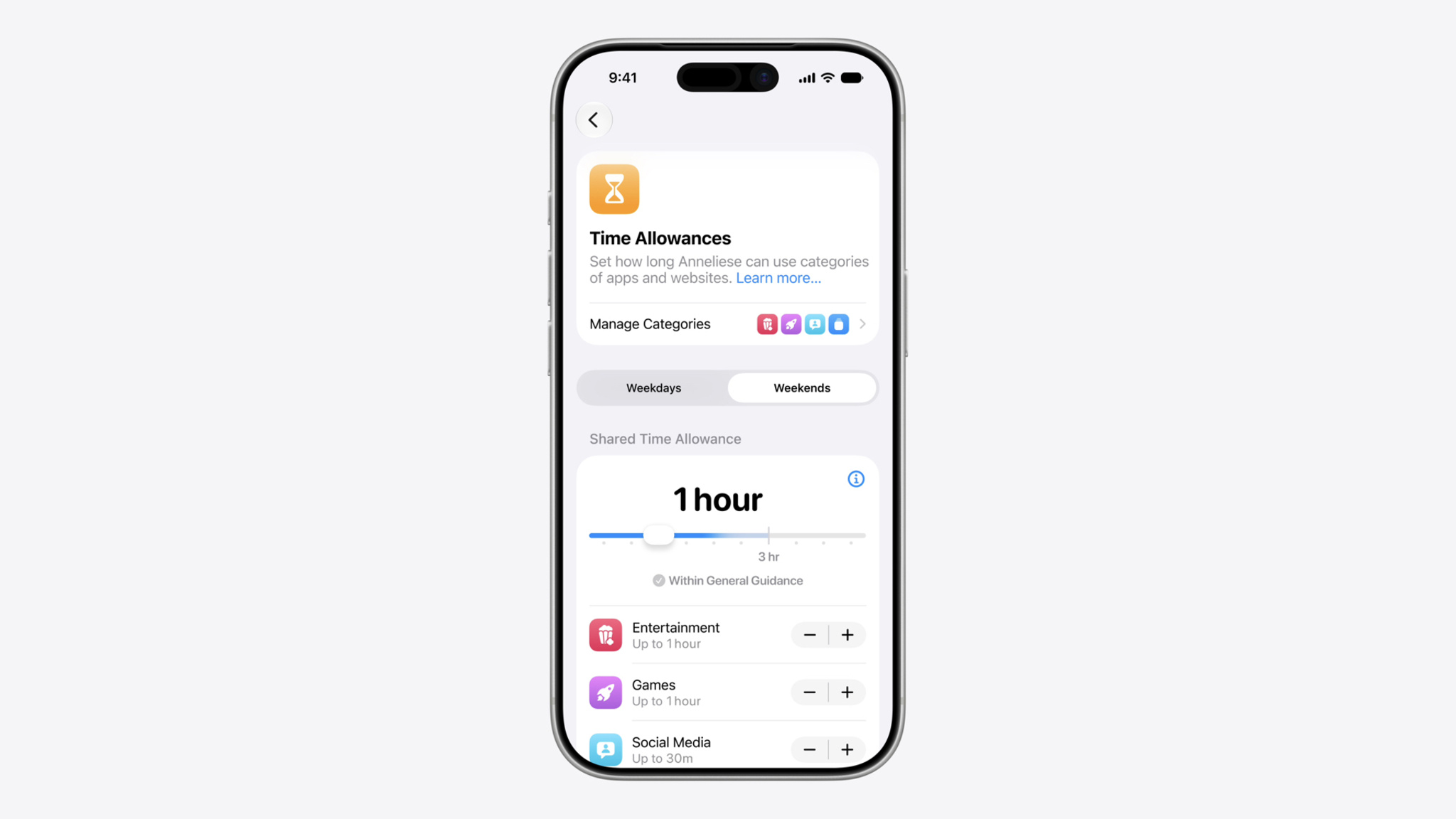
New Time Allowances in iOS 27, iPadOS 27, and macOS 27, or later, give parents more flexible ways to manage the time their kids spend in apps across categories, including Entertainment, Games, and Social Media. Time Allowances are developed based on expert research and tailored to a child’s age to give parents a helpful starting point. Parents can adjust these settings based on what they determine is best for their child. Time Allowance categories are different from categories for user discovery on the App Store. Entertainment and Games Your app or game will appear in a Time Allowance category based on the information you provide in App Store Connect. Apps and games with Entertainment or Games selected as a primary or secondary category in App Store Connect will be sorted into the corresponding Time Allowance categories. Social Media The Time Allowance category for Social Media will be based on whether your app or game offers social media capabilities, regardless of the category selected in App Store Connect. This includes the ability to redistribute, amplify, or interact with user-generated content through a social feed or similar discovery method that visibly spreads content to many users. Starting July 2026, the age rating questionnaire will be updated to let you indicate whether your app or game includes social media capabilities. If you indicate that your app or game includes social media capabilities, it will be placed in the Time Allowance category for Social Media and receive a minimum age rating of 13+. If you indicate that your app or game includes social media capabilities but they are disabled for anyone under 13, it won’t be included in the Time Allowance category for Social Media for users under 13. You'll also need to use the Declared Age Range API (at a minimum) to check users’ age ranges. If you select this option, your overall responses in the age rating questionnaire determine your age rating and may result in a rating lower than 13+. Your app or game may still be grouped in the Time Allowance category for Games or Entertainment based on the primary or secondary category selected in App Store Connect, and will remain in the Social Media category for users 13 and above. Starting September 2026, you’ll be required to indicate whether your app or game includes social media capabilities in order to submit new versions or updates to the App Store, or for notarization for distribution on alternative app marketplaces. Design safe and age‑appropriate experiences for your apps and games Set an age rating Declared Age Range API documentation

Apple Developer NewsΒ·June 8, 2026Β·2 min read
Updated Apple Developer Program License Agreement and App Review Guidelines now available
ProgrammingNews

Updated Apple Developer Program License Agreement and App Review Guidelines now available

The Apple Developer Program License Agreement and App Review Guidelines have been revised to support new features, updated policies, and to provide clarification. Please review the changes below and sign in to your account to accept the updated terms. Apple Developer Program License Agreement Sections 3.1, 14.8: Specified requirements for providing information and responding to questions about developer identity, including in the context of export compliance. Definitions, Section 3.3.3(N): Clarified requirements for use of the Sensitive Content Analysis framework. Definitions, Section 3.3.3(Q): Specified requirements for use of the Suggested Actions API. Definitions, Section 3.3.3(R): Specified requirements for use of the Trust Insights framework. Section 3.3.4(A): Specified terms regarding end users’ ability to modify content for personal accessibility purposes. Definitions, Section 3.3.7(L): Specified requirements for use of the Media Device Extension framework. Definitions, Section 3.3.7(M): Specified requirements for use of the Spatial Audio Extension APIs. Definitions, Section 3.3.9(E): Specified requirements for use of the Customer Engagement APIs. Section 3.2(h): Updated terms for use of and access to Apple models. Section 3.3.11: Grouped AI and machine learning technologies under new subsection. Section 3.3.11(A): Updated requirements for use of Foundation Models framework. Section 6.7: Specified that analytics may additionally be provided via Xcode and/or App Store Connect API. Section 7.9: Specified requirements on providing information regarding apps in App Store Connect, and protection of end users who are minors. Section 10: Clarified terms regarding indemnification. Attachment 2, Section 1.1: Clarified requirements for use of the In-App Purchase API. Attachment 5, Section 3.3: Updated privacy requirements for use of Passes. Attachment 11, Section 4: Updated the name of identity guidelines for EnergyKit. App Review Guidelines Introduction: revised kid and teen safety guidance. 1.2: new paragraph clarifies developer responsibilities for content that violates this guideline. 4.3(a): clarifies the basis for the guideline and adds an example. 4.3(b): clarifies the basis for the guideline and adds examples. 4.5.3: clarifies that Live Activities may not be used to spam, phish, or send unsolicited messages to customers. Translations of the updated agreement will be available on the Apple Developer website within one month.

Apple Developer NewsΒ·June 8, 2026Β·2 min read
Grand Games from 0$ to $500M in Two Years 
GamesNews

Grand Games from 0$ to $500M in Two Years 

Deep Dive into Grand Games’ Success with Batuhan Γ‡elebi

Deconstructor of FunΒ·June 8, 2026Β·8 min read
What can 500 years of journalism teach developers about AI trustworthiness?β€‹β€‹β€‹β€‹β€Œ ‍ β€‹β€β€‹β€β€Œβ€ β€Œ β€‹β€β€Œβ€β€β€Œβ€Œβ€β€Œ β€Œβ€β€β€Œβ€Œβ€ ‍​‍​‍​ β€β€β€‹β€β€‹β€β€Œ ​ β€Œβ€β€‹β€Œβ€Œβ€ β€β€Œβ€β€β€Œβ€Œ β€Œβ€‹β€Œ β€β€Œβ€‹β€ β€β€Œβ€β€β€Œβ€Œβ€ ​‍​‍​‍ β€‹β€‹β€β€‹β€β€Œβ€β€β€‹β€Œ β€‹β€β€Œβ€β€Œβ€Œβ€Œβ€β€Œβ€β€‹β€β€‹β€β€‹ β€β€β€‹β€β€‹β€β€Œβ€β€β€‹β€Œ β€Œβ€‹β€Œ β€Œβ€‹β€Œ β€‹β€‹β€Œ ​ ​ ‍‍​‍ ​‍ β€Œβ€β€‹ β€Œβ€ β€Œβ€Œ ​ ​‍ β€β€Œ ​ β€Œ β€Œβ€‹β€Œβ€β€‹β€Œβ€Œβ€β€‹ β€Œβ€β€ β€Œβ€ β€Œ β€Œβ€β€Œβ€β€Œβ€Œβ€Œ β€‹β€β€Œβ€β€Œβ€β€Œβ€ β€‹β€Œβ€ β€Œ β€Œ ​‍ β€β€Œβ€β€‹ β€Œβ€ ​‍ β€Œβ€β€β€Œβ€Œβ€ β€β€Œ β€Œβ€‹β€Œβ€β€Œβ€Œβ€Œβ€ β€β€Œ β€Œβ€‹β€‹β€ β€Œβ€β€Œβ€Œβ€Œβ€β€Œβ€‹β€Œβ€β€β€Œβ€Œ β€Œβ€‹β€‹β€ β€Œβ€ β€Œβ€Œβ€ β€Œβ€β€Œβ€‹β€Œβ€β€Œβ€Œβ€‹ β€Œβ€Œ β€‹β€‹β€Œ β€‹β€β€Œβ€β€Œβ€Œβ€Œ ​ β€Œβ€β€Œβ€Œβ€Œβ€ β€β€Œ β€Œβ€‹β€Œβ€β€‹β€Œβ€Œ β€Œβ€‹β€Œβ€β€β€Œβ€Œβ€ β€Œβ€ ‍​ ‍ β€Œβ€β€β€Œβ€Œβ€β€Œβ€‹β€‹ β€Œβ€‹ ‍​​ β€Œβ€‹β€Œβ€β€‹ β€Œβ€β€‹ ​ β€Œ ​ β€β€‹β€Œβ€β€Œβ€β€Œβ€β€‹ ​‍ β€Œβ€‹ β€Œβ€‹β€‹ β€‹β€‹β€Œβ€β€Œβ€β€Œβ€β€‹β€β€‹β€ β€Œβ€‹ β€Œβ€‹β€‹ β€‹β€Œβ€‹ β€Œβ€β€‹ ‍​​‍ β€Œβ€Œβ€β€‹β€Œβ€‹ ​​​ ​ β€Œβ€β€Œβ€Œβ€‹β€ β€Œβ€‹ β€Œβ€Œβ€Œβ€β€‹β€β€‹ ​​​ β€β€Œβ€‹ β€Œβ€‹β€‹ ​ β€Œβ€β€Œβ€β€‹ β€Œβ€β€‹ β€Œβ€‹β€Œβ€β€Œβ€‹β€Œβ€β€Œβ€β€Œβ€β€Œβ€‹β€‹ ‍ β€Œ β€Œβ€‹β€Œ β€β€Œβ€Œ β€‹β€‹β€Œβ€β€Œβ€Œβ€‹ β€Œβ€Œβ€β€‹β€β€Œβ€ β€‹β€Œβ€ β€Œβ€β€Œ β€Œβ€Œβ€‹β€‹β€Œβ€ β€Œ ​ β€Œ β€Œβ€‹β€‹ ‍ β€Œ β€‹β€‹β€Œβ€β€‹β€Œβ€Œ β€Œβ€‹β€Œβ€β€β€‹β€‹ β€Œβ€Œ β€Œβ€‹β€Œβ€β€β€Œβ€Œ β€Œβ€‹β€Œβ€ β€‹β€Œβ€β€Œβ€Œβ€‹ β€Œβ€β€‹β€β€Œβ€β€‹β€Œβ€Œ ​ β€Œβ€β€Œβ€Œβ€Œβ€Œβ€Œβ€Œβ€Œ β€‹β€β€Œβ€ ​​ β€Œβ€Œβ€β€β€‹β€Œ β€Œβ€‹β€Œ β€Œβ€‹β€Œ β€‹β€‹β€Œ ​ β€‹β€β€Œβ€Œβ€‹ ​ β€Œβ€‹β€‹β€Œβ€‹β€β€Œβ€Œβ€‹ β€‹β€β€Œβ€‹β€Œβ€β€‹β€β€Œβ€Œβ€‹ β€‹β€β€Œβ€‹β€Œβ€β€Œβ€β€‹ β€Œβ€ β€Œβ€Œ ​ ​‍ β€β€Œ ​ β€Œ β€Œβ€‹β€Œβ€β€‹β€Œβ€Œβ€β€‹ β€Œβ€β€ β€Œβ€ β€Œ β€Œβ€β€Œβ€β€Œβ€Œβ€Œ β€‹β€β€Œβ€β€Œβ€β€Œβ€ β€‹β€Œβ€ β€Œ β€Œ ​‍ β€β€Œβ€β€‹ β€Œβ€ β€‹β€β€Œβ€β€Œβ€β€β€Œβ€Œβ€β€Œβ€‹β€‹ β€Œβ€‹ ‍​​ β€Œβ€‹β€Œβ€β€‹ β€Œβ€β€‹ ​ β€Œ ​ β€β€‹β€Œβ€β€Œβ€β€Œβ€β€‹ ​‍ β€Œβ€‹ β€Œβ€‹β€‹ β€‹β€‹β€Œβ€β€Œβ€β€Œβ€β€‹β€β€‹β€ β€Œβ€‹ β€Œβ€‹β€‹ β€‹β€Œβ€‹ β€Œβ€β€‹ ‍​​‍ β€Œβ€Œβ€β€‹β€Œβ€‹ ​​​ ​ β€Œβ€β€Œβ€Œβ€‹β€ β€Œβ€‹ β€Œβ€Œβ€Œβ€β€‹β€β€‹ ​​​ β€β€Œβ€‹ β€Œβ€‹β€‹ ​ β€Œβ€β€Œβ€β€‹ β€Œβ€β€‹ β€Œβ€‹β€Œβ€β€Œβ€‹β€Œβ€β€Œβ€β€Œβ€β€Œβ€‹β€‹β€β€Œβ€β€Œ β€Œβ€‹β€Œ β€β€Œβ€Œ β€‹β€‹β€Œβ€β€Œβ€Œβ€‹ β€Œβ€Œβ€β€‹β€β€Œβ€ β€‹β€Œβ€ β€Œβ€β€Œ β€Œβ€Œβ€‹β€‹β€Œβ€ β€Œ ​ β€Œ β€Œβ€‹β€‹β€β€Œβ€β€Œ β€‹β€‹β€Œβ€β€‹β€Œβ€Œ β€Œβ€‹β€Œβ€β€β€‹β€‹ β€Œβ€Œ β€Œβ€‹β€Œβ€β€β€Œβ€Œ β€Œβ€‹β€Œβ€ β€‹β€Œβ€β€Œβ€Œβ€‹β€β€Œβ€β€Œ β€‹β€‹β€Œβ€β€Œβ€Œβ€Œ β€‹β€β€Œ ​ β€Œ β€‹β€‹β€Œβ€β€Œβ€Œβ€Œβ€β€‹ β€Œ β€Œβ€‹β€Œβ€β€β€Œβ€Œ β€Œβ€β€Œβ€β€Œβ€Œβ€‹ β€Œβ€Œ β€‹β€‹β€Œ β€Œβ€Œβ€Œβ€β€‹β€β€Œβ€ β€‹β€Œβ€β€β€Œβ€Œ ​ β€Œβ€β€β€‹β€Œβ€β€Œβ€Œβ€Œβ€β€Œβ€‹β€‹β€β€‹β€β€Œ β€Œ
AINews

What can 500 years of journalism teach developers about AI trustworthiness?β€‹β€‹β€‹β€‹β€Œ ‍ β€‹β€β€‹β€β€Œβ€ β€Œ β€‹β€β€Œβ€β€β€Œβ€Œβ€β€Œ β€Œβ€β€β€Œβ€Œβ€ ‍​‍​‍​ β€β€β€‹β€β€‹β€β€Œ ​ β€Œβ€β€‹β€Œβ€Œβ€ β€β€Œβ€β€β€Œβ€Œ β€Œβ€‹β€Œ β€β€Œβ€‹β€ β€β€Œβ€β€β€Œβ€Œβ€ ​‍​‍​‍ β€‹β€‹β€β€‹β€β€Œβ€β€β€‹β€Œ β€‹β€β€Œβ€β€Œβ€Œβ€Œβ€β€Œβ€β€‹β€β€‹β€β€‹ β€β€β€‹β€β€‹β€β€Œβ€β€β€‹β€Œ β€Œβ€‹β€Œ β€Œβ€‹β€Œ β€‹β€‹β€Œ ​ ​ ‍‍​‍ ​‍ β€Œβ€β€‹ β€Œβ€ β€Œβ€Œ ​ ​‍ β€β€Œ ​ β€Œ β€Œβ€‹β€Œβ€β€‹β€Œβ€Œβ€β€‹ β€Œβ€β€ β€Œβ€ β€Œ β€Œβ€β€Œβ€β€Œβ€Œβ€Œ β€‹β€β€Œβ€β€Œβ€β€Œβ€ β€‹β€Œβ€ β€Œ β€Œ ​‍ β€β€Œβ€β€‹ β€Œβ€ ​‍ β€Œβ€β€β€Œβ€Œβ€ β€β€Œ β€Œβ€‹β€Œβ€β€Œβ€Œβ€Œβ€ β€β€Œ β€Œβ€‹β€‹β€ β€Œβ€β€Œβ€Œβ€Œβ€β€Œβ€‹β€Œβ€β€β€Œβ€Œ β€Œβ€‹β€‹β€ β€Œβ€ β€Œβ€Œβ€ β€Œβ€β€Œβ€‹β€Œβ€β€Œβ€Œβ€‹ β€Œβ€Œ β€‹β€‹β€Œ β€‹β€β€Œβ€β€Œβ€Œβ€Œ ​ β€Œβ€β€Œβ€Œβ€Œβ€ β€β€Œ β€Œβ€‹β€Œβ€β€‹β€Œβ€Œ β€Œβ€‹β€Œβ€β€β€Œβ€Œβ€ β€Œβ€ ‍​ ‍ β€Œβ€β€β€Œβ€Œβ€β€Œβ€‹β€‹ β€Œβ€‹ ‍​​ β€Œβ€‹β€Œβ€β€‹ β€Œβ€β€‹ ​ β€Œ ​ β€β€‹β€Œβ€β€Œβ€β€Œβ€β€‹ ​‍ β€Œβ€‹ β€Œβ€‹β€‹ β€‹β€‹β€Œβ€β€Œβ€β€Œβ€β€‹β€β€‹β€ β€Œβ€‹ β€Œβ€‹β€‹ β€‹β€Œβ€‹ β€Œβ€β€‹ ‍​​‍ β€Œβ€Œβ€β€‹β€Œβ€‹ ​​​ ​ β€Œβ€β€Œβ€Œβ€‹β€ β€Œβ€‹ β€Œβ€Œβ€Œβ€β€‹β€β€‹ ​​​ β€β€Œβ€‹ β€Œβ€‹β€‹ ​ β€Œβ€β€Œβ€β€‹ β€Œβ€β€‹ β€Œβ€‹β€Œβ€β€Œβ€‹β€Œβ€β€Œβ€β€Œβ€β€Œβ€‹β€‹ ‍ β€Œ β€Œβ€‹β€Œ β€β€Œβ€Œ β€‹β€‹β€Œβ€β€Œβ€Œβ€‹ β€Œβ€Œβ€β€‹β€β€Œβ€ β€‹β€Œβ€ β€Œβ€β€Œ β€Œβ€Œβ€‹β€‹β€Œβ€ β€Œ ​ β€Œ β€Œβ€‹β€‹ ‍ β€Œ β€‹β€‹β€Œβ€β€‹β€Œβ€Œ β€Œβ€‹β€Œβ€β€β€‹β€‹ β€Œβ€Œ β€Œβ€‹β€Œβ€β€β€Œβ€Œ β€Œβ€‹β€Œβ€ β€‹β€Œβ€β€Œβ€Œβ€‹ β€Œβ€β€‹β€β€Œβ€β€‹β€Œβ€Œ ​ β€Œβ€β€Œβ€Œβ€Œβ€Œβ€Œβ€Œβ€Œ β€‹β€β€Œβ€ ​​ β€Œβ€Œβ€β€β€‹β€Œ β€Œβ€‹β€Œ β€Œβ€‹β€Œ β€‹β€‹β€Œ ​ β€‹β€β€Œβ€Œβ€‹ ​ β€Œβ€‹β€‹β€Œβ€‹β€β€Œβ€Œβ€‹ β€‹β€β€Œβ€‹β€Œβ€β€‹β€β€Œβ€Œβ€‹ β€‹β€β€Œβ€‹β€Œβ€β€Œβ€β€‹ β€Œβ€ β€Œβ€Œ ​ ​‍ β€β€Œ ​ β€Œ β€Œβ€‹β€Œβ€β€‹β€Œβ€Œβ€β€‹ β€Œβ€β€ β€Œβ€ β€Œ β€Œβ€β€Œβ€β€Œβ€Œβ€Œ β€‹β€β€Œβ€β€Œβ€β€Œβ€ β€‹β€Œβ€ β€Œ β€Œ ​‍ β€β€Œβ€β€‹ β€Œβ€ β€‹β€β€Œβ€β€Œβ€β€β€Œβ€Œβ€β€Œβ€‹β€‹ β€Œβ€‹ ‍​​ β€Œβ€‹β€Œβ€β€‹ β€Œβ€β€‹ ​ β€Œ ​ β€β€‹β€Œβ€β€Œβ€β€Œβ€β€‹ ​‍ β€Œβ€‹ β€Œβ€‹β€‹ β€‹β€‹β€Œβ€β€Œβ€β€Œβ€β€‹β€β€‹β€ β€Œβ€‹ β€Œβ€‹β€‹ β€‹β€Œβ€‹ β€Œβ€β€‹ ‍​​‍ β€Œβ€Œβ€β€‹β€Œβ€‹ ​​​ ​ β€Œβ€β€Œβ€Œβ€‹β€ β€Œβ€‹ β€Œβ€Œβ€Œβ€β€‹β€β€‹ ​​​ β€β€Œβ€‹ β€Œβ€‹β€‹ ​ β€Œβ€β€Œβ€β€‹ β€Œβ€β€‹ β€Œβ€‹β€Œβ€β€Œβ€‹β€Œβ€β€Œβ€β€Œβ€β€Œβ€‹β€‹β€β€Œβ€β€Œ β€Œβ€‹β€Œ β€β€Œβ€Œ β€‹β€‹β€Œβ€β€Œβ€Œβ€‹ β€Œβ€Œβ€β€‹β€β€Œβ€ β€‹β€Œβ€ β€Œβ€β€Œ β€Œβ€Œβ€‹β€‹β€Œβ€ β€Œ ​ β€Œ β€Œβ€‹β€‹β€β€Œβ€β€Œ β€‹β€‹β€Œβ€β€‹β€Œβ€Œ β€Œβ€‹β€Œβ€β€β€‹β€‹ β€Œβ€Œ β€Œβ€‹β€Œβ€β€β€Œβ€Œ β€Œβ€‹β€Œβ€ β€‹β€Œβ€β€Œβ€Œβ€‹β€β€Œβ€β€Œ β€‹β€‹β€Œβ€β€Œβ€Œβ€Œ β€‹β€β€Œ ​ β€Œ β€‹β€‹β€Œβ€β€Œβ€Œβ€Œβ€β€‹ β€Œ β€Œβ€‹β€Œβ€β€β€Œβ€Œ β€Œβ€β€Œβ€β€Œβ€Œβ€‹ β€Œβ€Œ β€‹β€‹β€Œ β€Œβ€Œβ€Œβ€β€‹β€β€Œβ€ β€‹β€Œβ€β€β€Œβ€Œ ​ β€Œβ€β€β€‹β€Œβ€β€Œβ€Œβ€Œβ€β€Œβ€‹β€‹β€β€‹β€β€Œ β€Œ

AI reliability issues stem from three separate architectural challenges that keep getting lumped into the same category. Prompt engineering alone can't fix them. But the sourcing and verification frameworks media organizations have used for centuries translate into clear engineering solutions developers can implement today.β€‹β€‹β€‹β€‹β€Œ ‍ β€‹β€β€‹β€β€Œβ€ β€Œ β€‹β€β€Œβ€β€β€Œβ€Œβ€β€Œ β€Œβ€β€β€Œβ€Œβ€ ‍​‍​‍​ β€β€β€‹β€β€‹β€β€Œ ​ β€Œβ€β€‹β€Œβ€Œβ€ β€β€Œβ€β€β€Œβ€Œ β€Œβ€‹β€Œ β€β€Œβ€‹β€ β€β€Œβ€β€β€Œβ€Œβ€ ​‍​‍​‍ β€‹β€‹β€β€‹β€β€Œβ€β€β€‹β€Œ β€‹β€β€Œβ€β€Œβ€Œβ€Œβ€β€Œβ€β€‹β€β€‹β€β€‹ β€β€β€‹β€β€‹β€β€Œβ€β€β€‹β€Œ β€Œβ€‹β€Œ β€Œβ€‹β€Œ β€‹β€‹β€Œ ​ ​ ‍‍​‍ ​‍ β€Œβ€β€‹ β€Œβ€ β€Œβ€Œ ​ ​‍ β€β€Œ ​ β€Œ β€Œβ€‹β€Œβ€β€‹β€Œβ€Œβ€β€‹ β€Œβ€β€ β€Œβ€ β€Œ β€Œβ€β€Œβ€β€Œβ€Œβ€Œ β€‹β€β€Œβ€β€Œβ€β€Œβ€ β€‹β€Œβ€ β€Œ β€Œ ​‍ β€β€Œβ€β€‹ β€Œβ€ ​‍ β€Œβ€β€β€Œβ€Œβ€ β€β€Œ β€Œβ€‹β€Œβ€β€Œβ€Œβ€Œβ€ β€β€Œ β€Œβ€‹β€‹β€ β€Œβ€β€Œβ€Œβ€Œβ€β€Œβ€‹β€Œβ€β€β€Œβ€Œ β€Œβ€‹β€‹β€ β€Œβ€ β€Œβ€Œβ€ β€Œβ€β€Œβ€‹β€Œβ€β€Œβ€Œβ€‹ β€Œβ€Œ β€‹β€‹β€Œ β€‹β€β€Œβ€β€Œβ€Œβ€Œ ​ β€Œβ€β€Œβ€Œβ€Œβ€ β€β€Œ β€Œβ€‹β€Œβ€β€‹β€Œβ€Œ β€Œβ€‹β€Œβ€β€β€Œβ€Œβ€ β€Œβ€ ‍​ ‍ β€Œβ€β€β€Œβ€Œβ€β€Œβ€‹β€‹ β€Œβ€‹ ‍​​ β€Œβ€‹β€Œβ€β€‹ β€Œβ€β€‹ ​ β€Œ ​ β€β€‹β€Œβ€β€Œβ€β€Œβ€β€‹ ​‍ β€Œβ€‹ β€Œβ€‹β€‹ β€‹β€‹β€Œβ€β€Œβ€β€Œβ€β€‹β€β€‹β€ β€Œβ€‹ β€Œβ€‹β€‹ β€‹β€Œβ€‹ β€Œβ€β€‹ ‍​​‍ β€Œβ€Œβ€β€‹β€Œβ€‹ ​​​ ​ β€Œβ€β€Œβ€Œβ€‹β€ β€Œβ€‹ β€Œβ€Œβ€Œβ€β€‹β€β€‹ ​​​ β€β€Œβ€‹ β€Œβ€‹β€‹ ​ β€Œβ€β€Œβ€β€‹ β€Œβ€β€‹ β€Œβ€‹β€Œβ€β€Œβ€‹β€Œβ€β€Œβ€β€Œβ€β€Œβ€‹β€‹ ‍ β€Œ β€Œβ€‹β€Œ β€β€Œβ€Œ β€‹β€‹β€Œβ€β€Œβ€Œβ€‹ β€Œβ€Œβ€β€‹β€β€Œβ€ β€‹β€Œβ€ β€Œβ€β€Œ β€Œβ€Œβ€‹β€‹β€Œβ€ β€Œ ​ β€Œ β€Œβ€‹β€‹ ‍ β€Œ β€‹β€‹β€Œβ€β€‹β€Œβ€Œ β€Œβ€‹β€Œβ€β€β€‹β€‹ β€Œβ€Œβ€β€Œβ€Œβ€Œ β€β€‹β€Œβ€β€‹ β€Œβ€β€Œβ€Œβ€Œ β€‹β€β€Œ β€‹β€‹β€Œ β€Œβ€‹β€‹ β€Œβ€β€‹β€β€Œβ€β€‹β€Œβ€Œ ​ β€Œβ€β€Œβ€Œβ€Œβ€Œβ€Œβ€Œβ€Œ β€‹β€β€Œβ€ ​​ β€Œβ€Œβ€β€β€‹β€Œ β€Œβ€‹β€Œ β€Œβ€‹β€Œ β€‹β€‹β€Œ ​ β€‹β€β€Œβ€Œβ€‹ ​ β€Œβ€‹β€‹β€Œβ€‹β€β€Œβ€Œβ€‹ β€‹β€β€Œβ€‹β€Œβ€β€‹β€β€Œβ€Œβ€‹ β€‹β€β€Œβ€‹β€Œβ€β€Œβ€β€‹ β€Œβ€ β€Œβ€Œ ​ ​‍ β€β€Œ ​ β€Œ β€Œβ€‹β€Œβ€β€‹β€Œβ€Œβ€β€‹ β€Œβ€β€ β€Œβ€ β€Œ β€Œβ€β€Œβ€β€Œβ€Œβ€Œ β€‹β€β€Œβ€β€Œβ€β€Œβ€ β€‹β€Œβ€ β€Œ β€Œ ​‍ β€β€Œβ€β€‹ β€Œβ€ β€‹β€β€Œβ€β€Œβ€β€β€Œβ€Œβ€β€Œβ€‹β€‹ β€Œβ€‹ ‍​​ β€Œβ€‹β€Œβ€β€‹ β€Œβ€β€‹ ​ β€Œ ​ β€β€‹β€Œβ€β€Œβ€β€Œβ€β€‹ ​‍ β€Œβ€‹ β€Œβ€‹β€‹ β€‹β€‹β€Œβ€β€Œβ€β€Œβ€β€‹β€β€‹β€ β€Œβ€‹ β€Œβ€‹β€‹ β€‹β€Œβ€‹ β€Œβ€β€‹ ‍​​‍ β€Œβ€Œβ€β€‹β€Œβ€‹ ​​​ ​ β€Œβ€β€Œβ€Œβ€‹β€ β€Œβ€‹ β€Œβ€Œβ€Œβ€β€‹β€β€‹ ​​​ β€β€Œβ€‹ β€Œβ€‹β€‹ ​ β€Œβ€β€Œβ€β€‹ β€Œβ€β€‹ β€Œβ€‹β€Œβ€β€Œβ€‹β€Œβ€β€Œβ€β€Œβ€β€Œβ€‹β€‹β€β€Œβ€β€Œ β€Œβ€‹β€Œ β€β€Œβ€Œ β€‹β€‹β€Œβ€β€Œβ€Œβ€‹ β€Œβ€Œβ€β€‹β€β€Œβ€ β€‹β€Œβ€ β€Œβ€β€Œ β€Œβ€Œβ€‹β€‹β€Œβ€ β€Œ ​ β€Œ β€Œβ€‹β€‹β€β€Œβ€β€Œ β€‹β€‹β€Œβ€β€‹β€Œβ€Œ β€Œβ€‹β€Œβ€β€β€‹β€‹ β€Œβ€Œβ€β€Œβ€Œβ€Œ β€β€‹β€Œβ€β€‹ β€Œβ€β€Œβ€Œβ€Œ β€‹β€β€Œ β€‹β€‹β€Œ β€Œβ€‹β€‹β€β€Œβ€β€Œ β€‹β€‹β€Œβ€β€Œβ€Œβ€Œ β€‹β€β€Œ ​ β€Œ β€‹β€‹β€Œβ€β€Œβ€Œβ€Œβ€β€‹ β€Œ β€Œβ€‹β€Œβ€β€β€Œβ€Œ β€Œβ€β€Œβ€β€Œβ€Œβ€‹ β€Œβ€Œ β€‹β€‹β€Œ β€Œβ€Œβ€Œβ€β€‹β€β€Œβ€ β€‹β€Œβ€β€β€Œβ€Œ ​ β€Œβ€β€β€‹β€Œβ€β€Œβ€Œβ€Œβ€β€Œβ€‹β€‹β€β€‹β€β€Œ β€Œ

Stack Overflow BlogΒ·June 8, 2026Β·1 min read
Datadog delivers millions of in-depth performance insights with ProfilingManager
Mobile GamesNews

Datadog delivers millions of in-depth performance insights with ProfilingManager

Posted by Alice Yuan, Developer Relations Engineer at Google, Arti Arutiunov, Product Manager at Datadog and Nikita Ogorodnikov, Staff Software Engineer at Datadog Performance regressions are notoriously hard to reproduce, making regressions a massive bottleneck for mobile developers. Although signals like ANR rates indicate what issues occur in production, pinpointing the specific line of code that resulted in the performance issue has historically necessitated exhaustive manual reproduction or speculative trial-and-error experimentation. Datadog collaborated with Google to mitigate this frustration by integrating the ProfilingManager API (available on Android 15+ devices) into its Real User Monitoring (RUM) and Continuous Profiling platforms. This integration transforms the debugging workflow, allowing developers to move beyond surface-level symptoms to being able to detect the why behind a performance bottleneck. By leveraging this system-level API, Datadog now processes millions of production profiles weekly across the globe according to Datadog internal data of June 2026. It provides engineering teams with a new level of visibility into real-world performance, all while maintaining a low runtime overhead for production-scale performance monitoring. The impact of ProfilingManager ProfilingManager is a system service introduced in Android 15 that enables apps to programmatically collect performance data such as call stack samples, field traces and memory heap dumps directly from production environments. This capability shifts the engineering paradigm from reactive manual reproduction to proactive field analysis. For example, a Google communications app used field traces to investigate why its cold start times were slower on newer, more powerful hardware. By diving into the field-collected traces and comparing traces across different device types, the engineer discovered a hidden scheduling issue: a background text-to-speech service was unnecessarily being prewarmed during app startup. The traces revealed that this background process was monopolizing the device's highest-performing big CPU core, forcing the app's main thread to sleep while the prewarm occurred. Solving the Android code-level visibility challenge Prior to the implementation of ProfilingManager, Datadog’s Real User Monitoring (RUM) focused on high-level application health and session-level telemetry to assess the user journey. Engineering teams could monitor Android performance signals like time to initial display, ANR rates, CPU load, and frozen frames. These insights extended to granular interactions, such as network latency, touch events, and main thread hangs. However, while this data effectively highlighted which performance bottlenecks were surfacing in the field, it provided no clear path to identifying the root cause of these failures. To address this, Datadog needed a profiling engine capable of capturing Android traces directly from devices in production with minimal performance impact. After evaluating alternative approaches, such as writing their own trace processor using Android Debug APIs, the team selected ProfilingManager because it is the most performant solution of the profiling options they evaluated and offloads the sampling decisions overhead to the OS. ProfilingManager supports a wide range of collection methods, including CPU traces, call stack sampling, memory analysis through Java heap dumps and native heap profiles. It enables developers to profile production builds, upload trace files to external storage, and review them in the Perfetto trace analyzer UI. As a SaaS provider, Datadog uploads, visualizes, and analyzes these profiles collected via its SDK, providing a unified view of application health. By centralizing high-fidelity telemetry within a unified observability API, ProfilingManager empowers Datadog and its clients to proactively monitor, investigate, and remediate complex Android performance regressions through key technical advantages: Granular session diagnostics: ProfilingManager enhances debuggability by delivering direct OS-level trace data, overcoming the visibility and alignment challenges typical of custom logging with system services. To dive deeper, developers can download these traces from Datadog to investigate further in visualization tools like the Perfetto UI . Automated telemetry triggers: By leveraging native system events to initiate trace recordings at key optimization points, Datadog reduces the need to build custom collection logic. While the initial rollout focuses on the APP_FULLY_DRAWN signal, there are already plans to expand this observability to include ANR , OOM , and COLD_START triggers. Proactive trace snapshots: By interfacing directly with the system-level Perfetto service (traced), ProfilingManager utilizes a proactive background recording model designed to capture unpredictable issues. This ensures that developers receive a precise visualization of the events leading up to a performance anomaly, offering a level of insight that exceeds what is possible through manual instrumentation. Bottleneck detection at scale: Datadog is able to synthesize telemetry from across Datadog’s global customer base to uncover regressions that only emerge under unique hardware configurations and variable network environments. System-enforced resource stability: The API leverages sampling trace collection to ensure performance and user experience impacts remain unnoticeable. On-device data controls:  ProfilingManager filters out irrelevant information from other processes on-device before the profile is delivered to the app. This minimizes file sizes and ensures that only data relevant to the app's processes is provided. Processing millions of weekly profiles to optimize real-world apps An example of Datadog's time to initial display measurement with  stack sampling powered by ProfilingManager Integrating a system-level profiling API into a global monitoring SDK required solving infrastructure challenges. Because ProfilingManager generates highly detailed performance traces, the Datadog engineering team had to build a pipeline capable of parsing and analyzing these profiles on the server side at scale.  Beyond profile collection, Datadog also emphasizes the importance of balancing sampling frequency with collecting enough data to generate meaningful insights about your application. Datadog relies on ProfilingManager’s built-in rate limiting as a critical stability safeguard, preventing excessive telemetry requests from overburdening user devices. The team has been profiling Datadog's own native Android application and a number of early adopters’ applications for months, gathering millions of profiles to ensure a fast, error-free launch experience and to refine their performance-detection algorithms. Today, the production integration seamlessly scales across a variety of Android devices. Conclusion By integrating Android’s ProfilingManager API, Datadog successfully closed the visibility gap between backend systems and mobile client applications for their customers. By processing millions of profiles weekly with negligible device overhead, Datadog equips Android developers with the code-level insights necessary to diagnose complex performance bugs instantly, helping developers build smoother applications and improve their app’s performance signals in the Play Store. To adopt the ProfilingManager API directly into your performance observability framework, check out our documentation . In the future, Datadog aims to make Android profiling data a first-class input for coding agents to autonomously resolve performance bottlenecks, closing the feedback loop between detection and remediation. Datadog is working toward making Android profiling broadly accessible to developers. To get started using the Datadog real user monitoring feature powered by ProfilingManager, visit Datadog Mobile Real User Monitoring .

Android Developers BlogΒ·June 8, 2026Β·5 min read
Zero-Day
β†˜2K
πŸ’¬

Top Discussion

HN

Hacker News

β€œGPT-5.5's API pricing is reshaping how startups build AI products”

14.1K932 comments
View discussion→

Filters

Time
Categories
Sources
Content Type