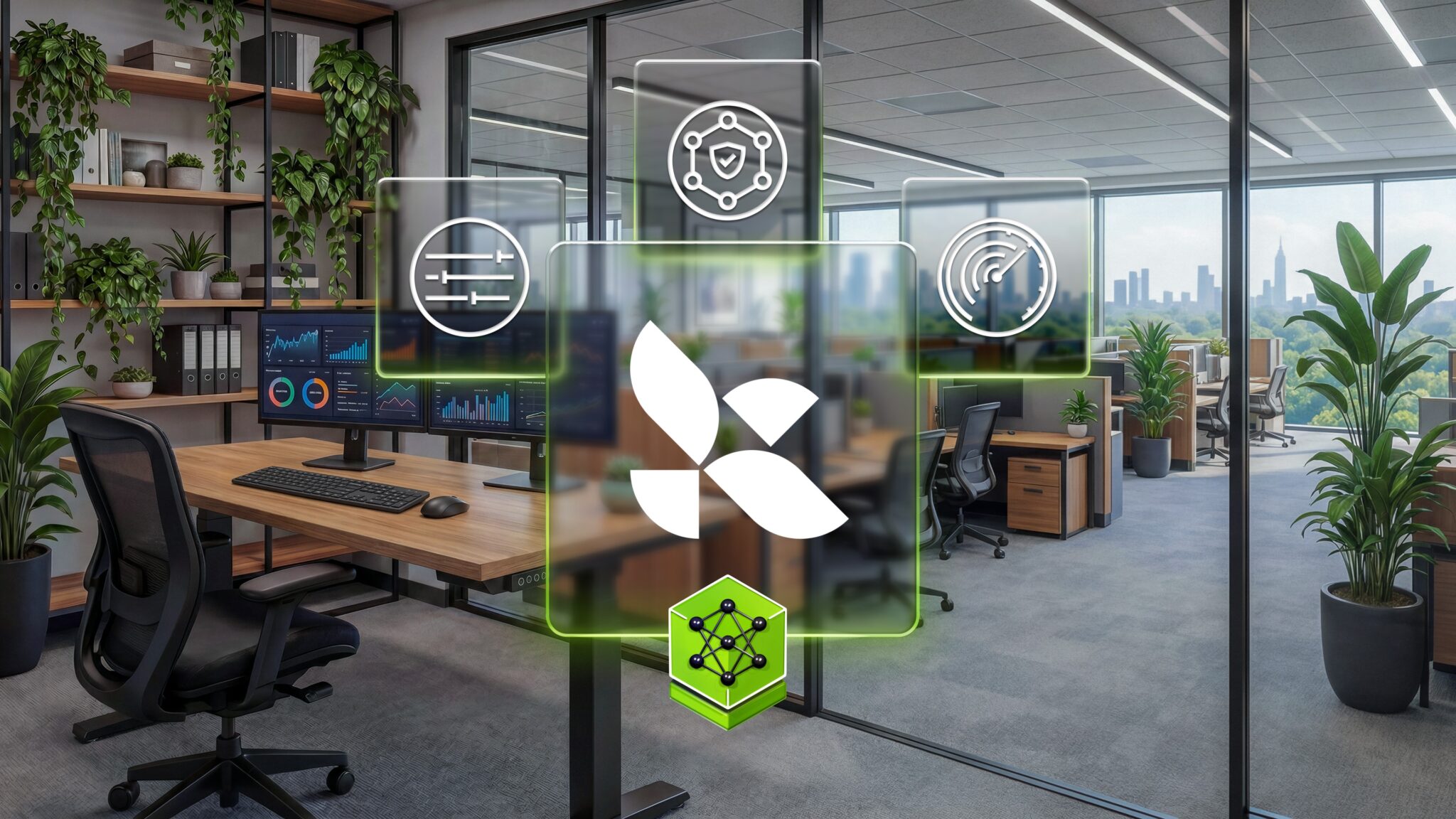
NVIDIA Nemotron 3 Ultra is offering leading performance at lower cost than top closed models with the largest and most widely adopted AI agent orchestration platform. LangChain tuned its Deep Agents harness for NVIDIA Nemotron 3 Ultra, achieving the highest accuracy among open models, while completing more tasks at higher throughput and running at 10x […]
Posted by Zoe Lopez-Latorre, Senior Developer Relations Engineer, Android Back in March, we introduced Android Bench —our LLM leaderboard for real-world Android development tasks. Our goal was to provide transparency around model capabilities in Android development and to encourage model improvements, to give you more helpful AI options for your everyday workflow. Since then, we have enhanced the benchmark based on your feedback, including evaluating open-weight models and adding cost and efficiency dimensions to the leaderboard. But AI capabilities are ever-evolving, and measurement needs to follow suit. As part of our July release, we have adopted the Harbor framework , which includes an updated version of the benchmarking agent used to evaluate models. Along with this change to our evaluation, in this July release we’re adding 8 new models ( Claude Fable 5, Claude Sonnet 5, Claude Opus 4.8, GLM 5.2, Kimi K2.7 Code, MiniMax M3, Qwen 3.7 Plus and Qwen 3.7 Max ) to the leaderboard. We’re also sharing opportunities for you, the Android developer community, to contribute to the benchmark. Upgrading our methodology with the Harbor framework When we designed Android Bench, we anchored our methodology on leading industry standards available at the time. We used mini-swe-agent v1, a general-purpose benchmarking agent, and adapted it to the nuances of Android development to provide a baseline measurement for the capabilities of models for common Android development tasks. To continue providing you with state-of-the-art evaluations that accurately measure the latest model capabilities on Android development, we are standardizing our benchmark to the Harbor framework . Harbor defines standards and integrations that make it easy for anyone to run the benchmark, evaluate their preferred set-up, or share results – providing you with additional transparency and visibility. This upgrade enables us to more rigorously evaluate models and their capabilities, and we re-ran the benchmark on all models to establish an updated baseline. This means there is a minor shift in scoring, but you will still be able to view historical scores within the archive on our website. We want to ensure Android Bench is helpful for you, so we will continuously update it as our evaluations and the industry mature. Expanding the leaderboard with 8 new models As part of our commitment to keeping the leaderboard fresh, we have added Claude Fable 5, Claude Sonnet 5, Claude Opus 4.8, GLM 5.2, Kimi K2.7 Code, MiniMax M3, Qwen 3.7 Plus and Qwen 3.7 Max to the Android Bench leaderboard. You will see that Claude Fable 5 is at the top of the leaderboard with a score of 84.5, followed by GPT 5.5 with 80.2, with Claude Sonnet 5 in 3rd with a score of 76.2. When just comparing Open-weight models, GLM 5.2 is at the top with 72.2, followed by Kimi K2.7 Code with a score of 70.4. You can check out model performance and efficiency metrics on the updated leaderboard to see how these new and previous models navigate Android-specific challenges like Jetpack Compose migrations, wearable networking, and platform API updates. Opening Android Bench to community contributions From the beginning, we’ve valued an open and transparent approach, which is why we made our original methodology and test harness publicly available on GitHub. You’ve asked for a way to provide feedback on our dataset, so now we’re taking collaboration a step further by giving you, the Android developer community, a chance to shape Android Bench. Starting today, you can contribute to Android Bench in two ways: Design and submit your own Android development tasks to evaluate how models handle the scenarios that matter to you. Run and share benchmark evaluations firsthand, testing your preferred models against our dataset or your own custom tasks. We will be reviewing the submitted tasks and will be assessing if they get added to the benchmark. We hope to build a benchmark that truly reflects the diverse, day-to-day realities of the global Android developer community. Looking ahead With more and more options for agentic development, maintaining a cutting-edge benchmark ensures that the AI assistance you rely on keeps getting smarter, more helpful, and more effective. Head over to our GitHub repository to check out the tasks. We invite you to submit a task to our team for review, and you can check out Harbor Hub to explore the dataset or submit evaluations. As always, you can find the updated leaderboard , or read the methodology on our website. Android Bench, LLM leaderboard, Harbor framework, Android development, Claude Fable 5, GPT 5.5, Claude Sonnet 5, GLM 5.2, Kimi K2.7 Code, MiniMax M3, Qwen 3.7 Plus, Qwen 3.7 Max, AI benchmarking, Jetpack Compose migration, wearable networking, mobile AI agent, Zoe Lopez-Latorre, model evaluation, open-weight models, developer community contributions.
A cybersecurity startup dangling millions of dollars to acquire zero-day security vulnerabilities in popular software is run by a pair of far-right conspiracy theorists and convicted felons whose most recent ventures included fake intelligence companies and a now-defunct AI-based lobbying platform they operated under assumed names.
In this edition: Try an all-new search tool on the Apple Developer website. Download design kits for Figma and Sketch. Explore the biggest updates from WWDC26 in new activities around the world and online. Read about Apple Design Award winners grug and Cyberpunk 2077. Browse the latest updates to the 27 platform releases, documentation, sample code, and release notes. Read now
New Innovation Graph data shows global developer communities growing faster than ever, with collaboration reaching new highs across many economies. The post Q1 2026 Innovation Graph update: Open source collaboration is accelerating worldwide appeared first on The GitHub Blog .
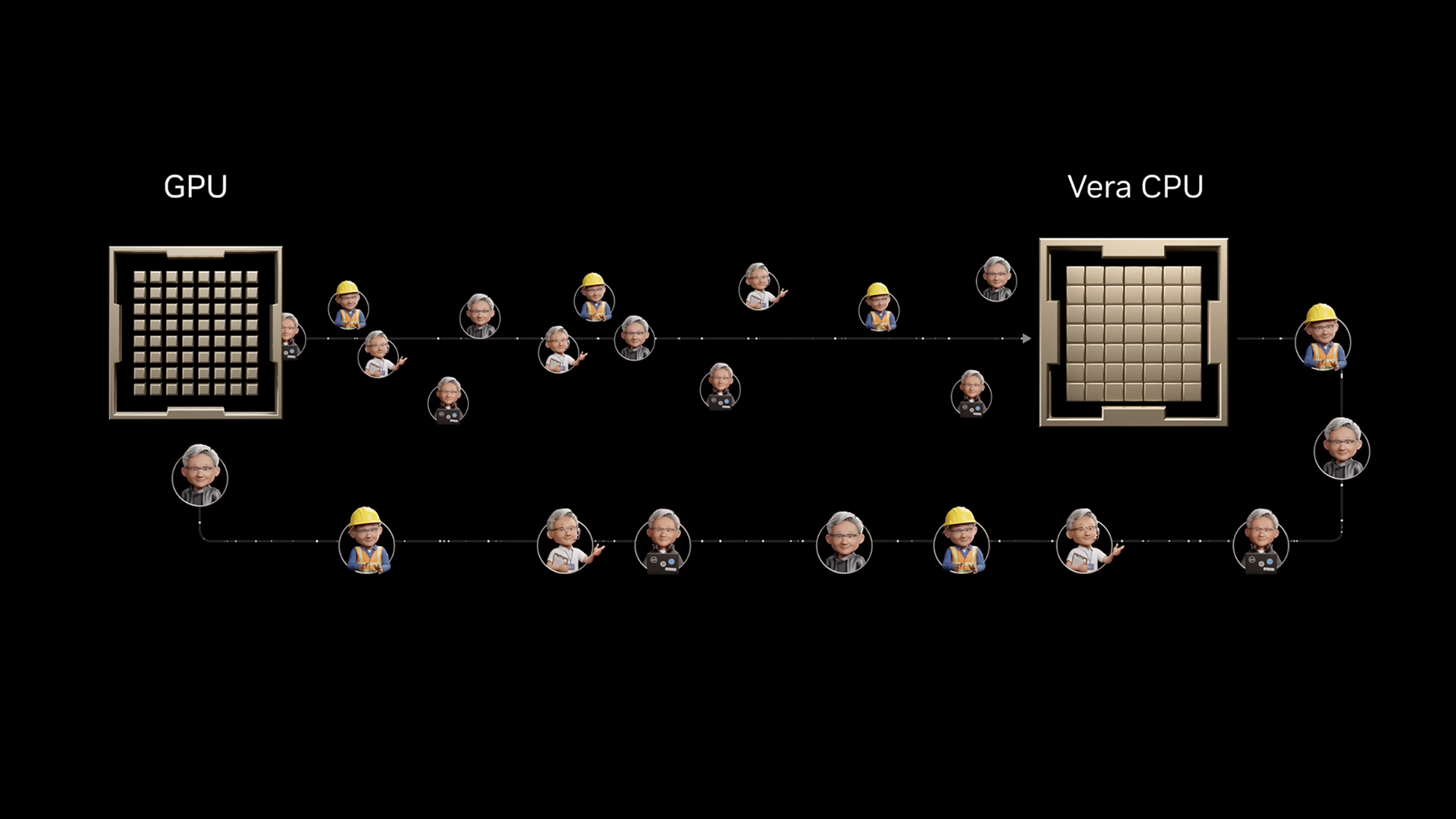
Max single-threaded CPUs at scale are a new category of CPUs built for the agentic AI era. Across the creation and deployment of an agentic system, the CPU is on the critical path for reasoning, response time and learning. CPUs are the processor which executes the work the AI model commands: the tool calling, code […]
Ryan welcomes Saahil Jain, CTO of You.com, to discuss why building agents with a 2024 mindset is a mistake as modern models improve at long-horizon tasks, why heavy orchestration layers can hurt model performance more than help it, and why the 2026 competitive edge actually comes from information retrieval and unique data paired with end-to-end evaluation.
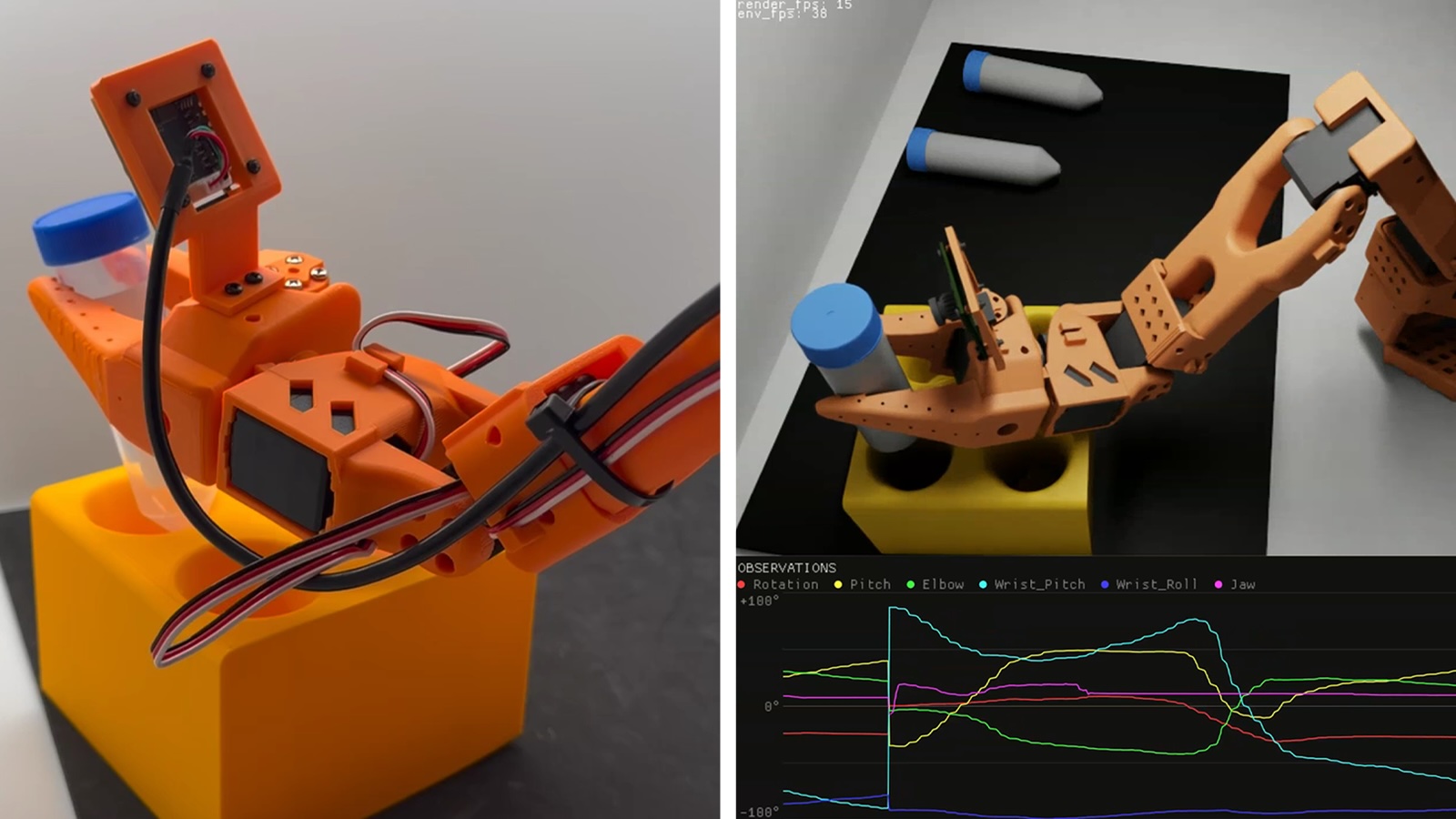
Open source AI has shown how quickly developers can innovate when models, data and tools are shared. Robotics has the same opportunity, but advancements in physical AI development can still be gated by costly and fragmented resources, from large datasets and robot foundation models to simulation, compute and validation tools. NVIDIA and Hugging Face are […]
Every year, the International Conference on Machine Learning (ICML) reveals where thousands of AI researchers have decided to put their work. This year’s accepted papers reveal a clear direction: open frontier models and open AI infrastructure have become foundational to how modern AI science gets done. NVIDIA had 74 papers accepted at ICML 2026. Approximately […]
Signature-based detection has always known what it was looking for. Machine learning and autonomous agents are changing the question entirely, shifting from "does this match a known pattern?" to "does this actually make sense in context?"
Nations have long invested in domestic infrastructure to advance their economies, protect and use their data, and take advantage of technology opportunities in areas such as transportation, communications, commerce, entertainment and healthcare. AI, the most important technology of our time, is turbocharging innovation across every facet of society. Countries are investing in AI capabilities so […]
NVIDIA··4 min read
Zero-Day
↘2K
💬
Top Discussion
HN
Hacker News
“GPT-5.5's API pricing is reshaping how startups build AI products”