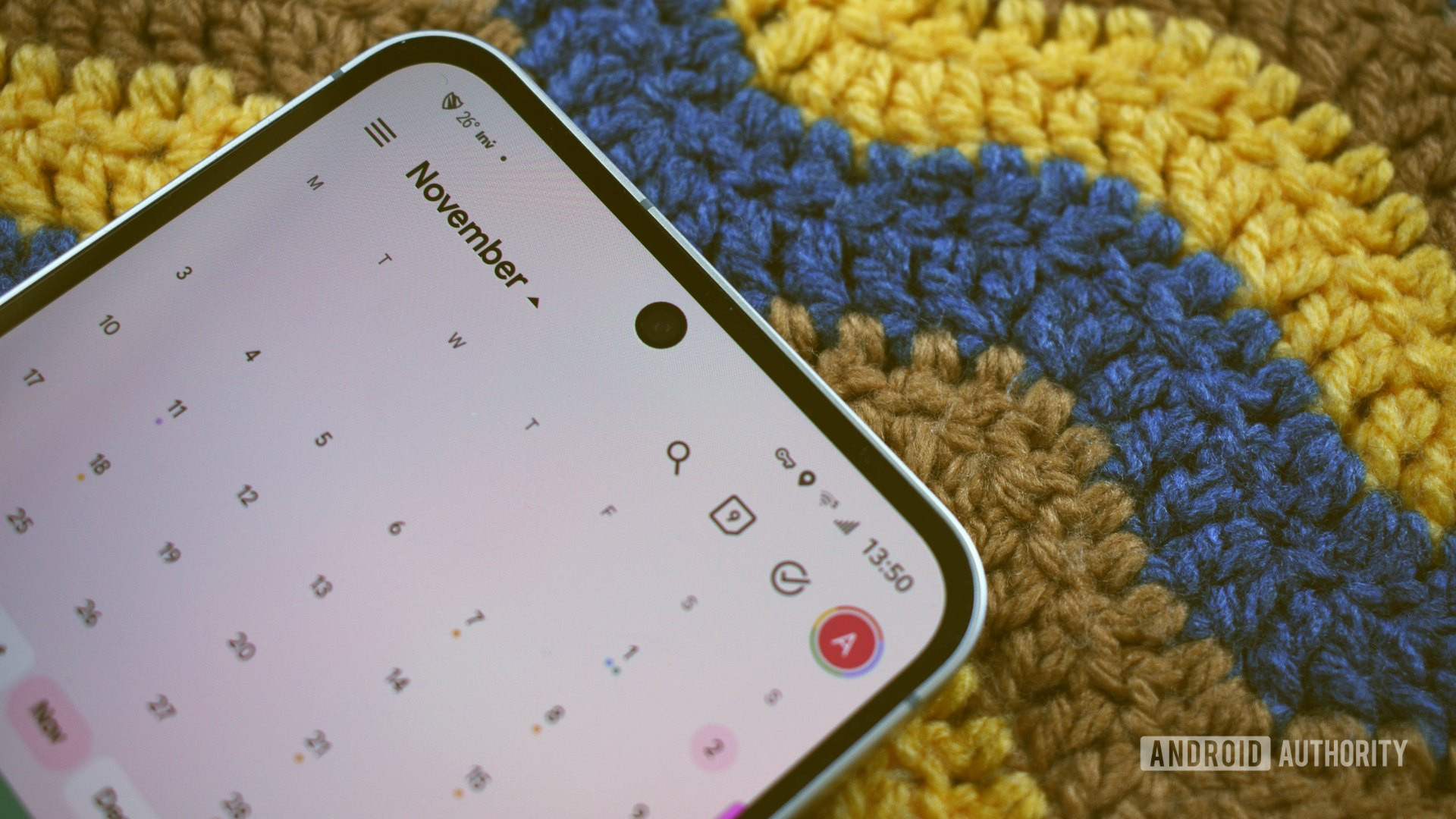
Google Calendar finally lets you ban that co-worker who’s always spamming you with meetings
No, Bob, I’m not free at 4:30 PM on a Friday.
Android Authority
Smartphones, mobile chipsets, and the apps and networks powering life on the go.
744 articles found
No, Bob, I’m not free at 4:30 PM on a Friday.

Create custom playlists to match your pace.


Security researchers at SSD Secure Disclosure have published a two-stage exploit chain that achieves full Android kernel access on devices running Unisoc modem firmware through a VoLTE video call, with no fix from the chipset maker. The advisory, published August 17, 2026, is the second stage of a chain that began in March 2026, when SSD disclosed remote code execution in the
Google Home's first August update is packed with useful new features.
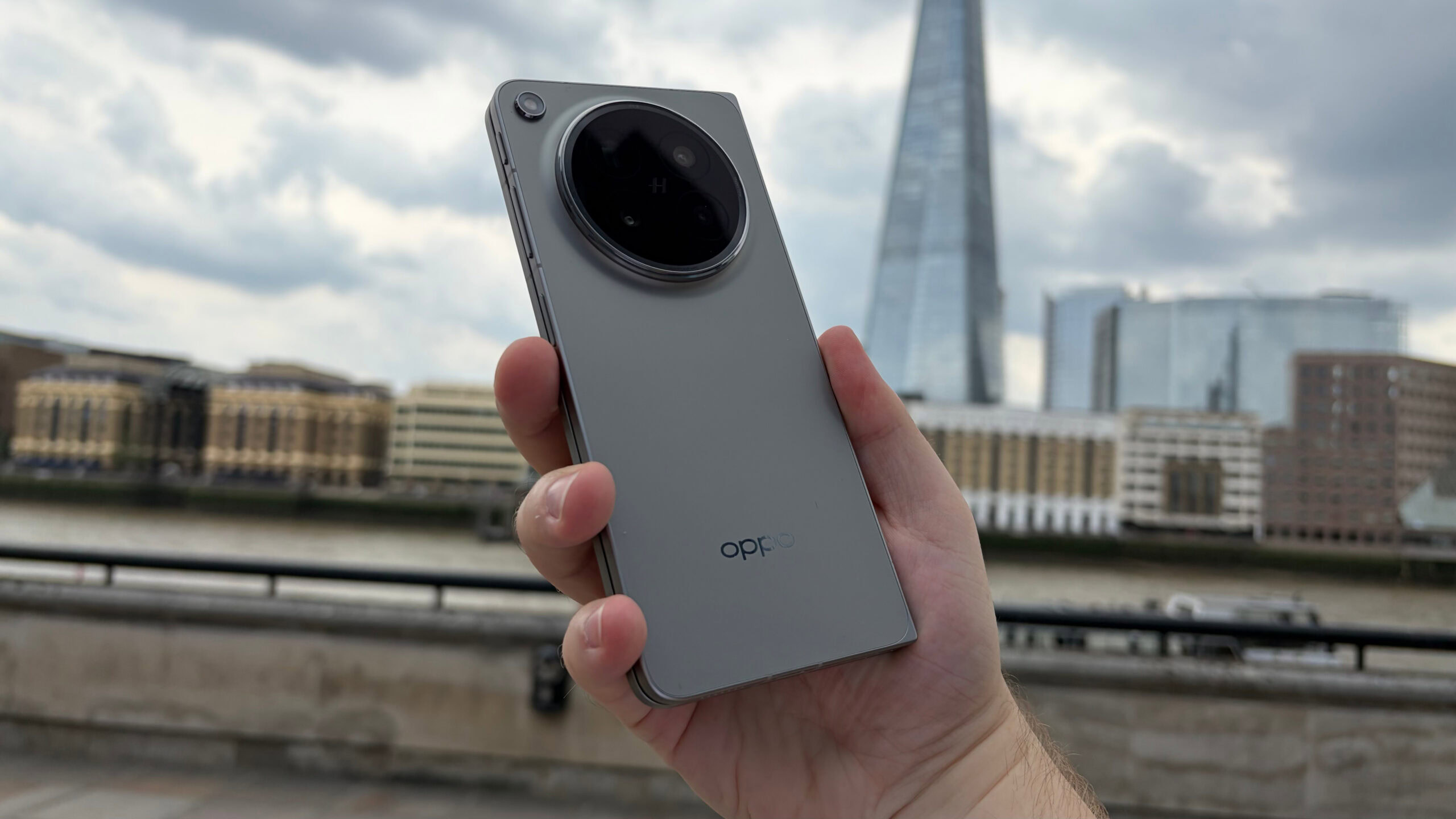
Security researcher says North Korean hackers breached OPPO and hundreds of other companies.
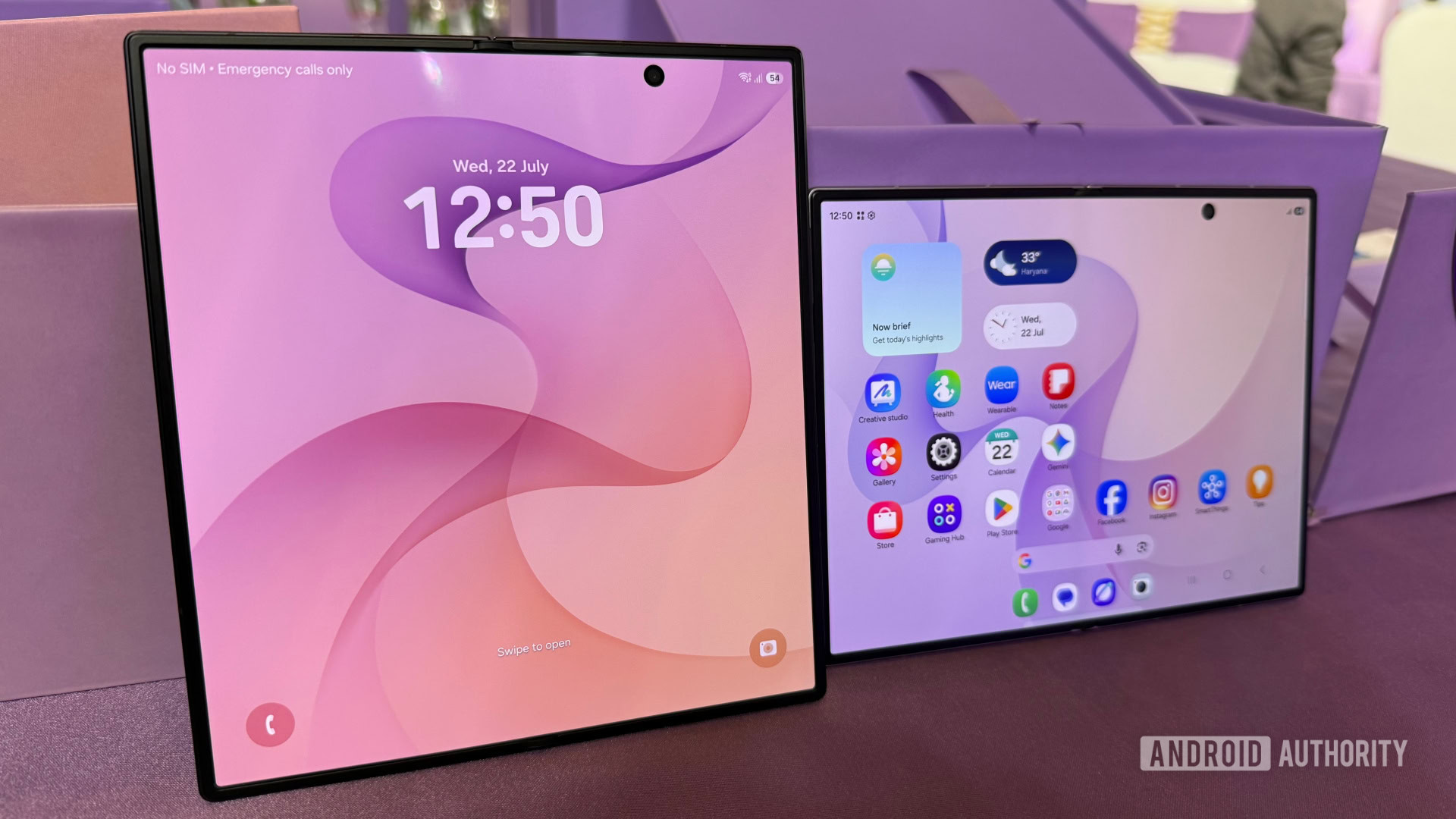
Samsung’s foldable gamble appears to be paying off big time.
Posted by Amy Zeppenfeld, Developer Relations Engineer, Greg Underwood, Software Engineering Manager, Yasmine Evjen, Senior Product Manager, Android XR Since introducing the Android XR SDK, developers have transformed their ideas into innovative, immersive experiences for XR headsets and wired XR glasses. As the ecosystem expands, you can more easily take those experiences from preview to production and reach users wherever they are. Today, we're excited to announce that Jetpack SceneCore , ARCore for Jetpack XR , and XR Runtime have reached beta with Jetpack Compose for XR to follow soon! This means the APIs are stabilizing, making it a great time to start integrating them into your production workflows and creating for Android XR. Why the Jetpack XR SDK? The Jetpack XR SDK includes all the tools and libraries you need to build immersive and augmented experiences for Android XR. Whether you're porting an existing 2D app or creating a new 3D XR app from scratch, you can do so using the familiar Android development tools you already know and love. To support your development, this release focuses on providing the fundamental building blocks across the SDK: Jetpack SceneCore : Build and manipulate the Android XR scene graph with 3D content. You can arrange 3D models , play spatial audio , and use the robust entity-component system to create, control, and manage entities. ARCore for Jetpack XR : Bring digital content into the real world with perception capabilities. This library powers depth estimation , persistent anchors , hit testing , and plane identification . XR Runtime : Provides the essential runtime foundation of the SDK, handling device lifecycles, session creation, and system configurations that enable the API surface. Jetpack Compose for XR : Create spatial UI layouts that take advantage of Android XR’s spatial capabilities. This library lets you use familiar Compose concepts to create spatial UIs and will be reaching Beta soon. What's new in Beta? Direct feedback from the developer previews helped shape these beta releases, introducing several important API refinements to ensure these libraries are ready for production. Expanded testing support: New capabilities are now available across the immersive XR libraries, including testing for spatial audio , XR devices , and session configuration . See the release notes for each library for details. Kotlin coroutines support: To better align with Kotlin coroutines, Session.create is now a suspend function. Terminology and class updates: AnchorEntity has been renamed to AnchorSpace , and both ActivitySpace and AnchorSpace now extend a common SpaceEntity class for more consistent spatial management across scenes. See the full release notes for each library to check out specific details on naming and API changes. Get started and provide feedback To add these dependencies, include the Google Maven repository in your project and add the newest XR libraries to your build.gradle files. dependencies { implementation("androidx.xr.scenecore:scenecore:1.0.0-beta02") implementation("androidx.xr.arcore:arcore:1.0.0-beta02") implementation("androidx.xr.runtime:runtime:1.0.0-beta02") implementation("androidx.xr.compose:compose:1.0.0-alpha17") } The ecosystem of Android XR devices that power immersive experiences is expanding, ranging from XR headsets to wired XR glasses. There’s never been a better time to start building immersive experiences with the Jetpack XR SDK Beta. Dive in and start building and testing on Samsung Galaxy XR or Android XR Emulator today.
Posted by Jose Alcérreca, Developer Relations Engineer, Android Developer Relations We released the official Android Skills in April, and the response surpassed all our expectations. In this blog post, I'll address some of the feedback we received, explaining the philosophy and methodology behind the project. Hopefully, this will also help you understand what happens behind the scenes when you install and use skills, allowing you to make better use of tokens and your own time. Why are there so few official skills? Currently, we only consider new skills when there's a verifiable knowledge gap in state-of-the-art (SOTA) models. Put simply: you don't need to teach the model what it already knows. (Though there are a few exceptions—read on!) We’ve released around 20 official skills so far, and they intentionally target highly specific, fast-moving areas that standard models aren't fully grounded on yet—things like AGP 9, Navigation 3, advanced Camera APIs, and Perfetto SQL. What about core, more general, skills? Every installed skill injects 100–200 tokens into the baseline context of every task you start. If that skill actually activates, that count can quickly jump into the thousands. In most cases, hoarding basic skills is both counterproductive and expensive. Before installing a skill for writing basic Kotlin or Compose, consider if your LLM of choice really needs it, or if it knows those topics well enough already. Evaluating skills Before their release, each skill is tested against a comprehensive set of evals that prove that the skill delivers clear value. These evals should pass when the skill is active, and fail otherwise. Evals are to skills what integration tests are to code. timeout_s: 1200 repository: url: [redacted - internal git repo] working_dir: wear_compose_m3_empty_app category_ids: - wear prompt: |- Add a horizontal pager to MainActivity.kt. Have three pages in the pager. Each page should contain the text "Page 1", "Page 2", and "Page 3" respectively in the center of the screen. commands: build: - ./gradlew assembleDebug acceptance_criteria: project_builds: true llm_diff_judge: - Must use `HorizontalPagerScaffold`. - Each page should use `AnimatedPage` to wrap a `ScreenScaffold`. Example eval that checks the correct implementation of a horizontal pager on a wear app At a minimum, we test the skill in Android Studio using the latest Gemini Flash model. Depending on the skill, we also ensure compatibility with other models such as Gemini Pro and other agents such as Antigravity, and third-party systems. All of the evals run with access to the Knowledge Base , so if the information is in the documentation, and models decide to search for it, we don't publish a skill for it. Using the Android Knowledge Base (Android Studio or Android CLI) If you develop Android apps, you should always use the Android Knowledge Base to have access to the official documentation. If you use the agent in Android Studio, it's already available as a tool, but if you use another agent, install Android CLI . Among other things, it contains the docs command, which gives your agent access to the official Android documentation. Having a single tool is much more efficient than installing hundreds of skills. If your model is acting overconfident, and you want it to consult the documentation more often, a very common way to motivate it is to add "Always consult the official Android documentation when dealing with Android APIs" to your AGENTS.md file or equivalent. Of course, you can also force this by asking the agent to check the documentation directly in your prompts. Why are pull requests disabled? Because our evaluation framework depends on internal infrastructure that cannot be open-sourced, we are unable to accept direct pull requests for new skills—without this infrastructure, we would have no way to re-evaluate incoming PR changes. However, we actively monitor community feedback. If you want to report a bug, suggest an optimization, or request a new official skill, please file an issue ! When do core or basic skills make sense? While SOTA models generally don't need basic skills, there are some scenarios where enabling core or community-built skills adds real value. For example: You're using vague prompts: Skills amplify your intent. If you give a loose prompt like "add animations to this screen," a specific Compose animation skill can inspire the model, pushing it toward modern APIs or screenshot testing patterns it might not have otherwise considered. You want to use smaller, cheaper models: Frontier LLMs are expensive. If you are offloading routine tasks to smaller open-weight models like Gemma 4, enabling basic skills fills the knowledge gaps that smaller parameters miss. You're refactoring or reviewing legacy code: Models excel at generating code that works, but when editing old codebases, they often prioritize staying consistent with the surrounding legacy patterns over rewriting things with modern accuracy. A specialized reviewer agent equipped with core skills can help break that habit. You deviate from the norm: LLMs love the standard "Google way" of architecting Android apps. If your team uses a highly customized view-layer architecture, the model will struggle to stay aligned. A custom skill explicitly describing your architecture goes a long way. Where can I find core skills? The Android community has your back. Chris Banes has a comprehensive collection of skills for Compose and Kotlin , Ivan Morgillo published a skill that audits Compose projects , and Jaewoong Eum created two on testing and performance . Always download skills from reputable sources! I personally wouldn't trust repositories containing dozens or hundreds of Android skills as they're probably AI-generated and untested, and they could even contain malicious or biased instructions. Also, don't install general software engineering skills blindly; a lot of them are tailored for web development. Goal: deprecation Loosely paraphrasing Karpathy: Skills of today will be in the models of tomorrow. As SOTA models keep improving, we expect skills to be obsolete, especially those built around new APIs. To figure out when to retire them, we run our evals when new models drop. If they pass, we'll keep them around for a few months until most users have transitioned over.
Who's covering this category most
Explore more of what's active right now
 JBL Xtreme 5 drops back to its best price with $100 off at AmazonAndroid AuthorityAugust 20, 2026
 Galaxy S26 FE breaks cover in new case leakAndroid AuthorityAugust 20, 2026
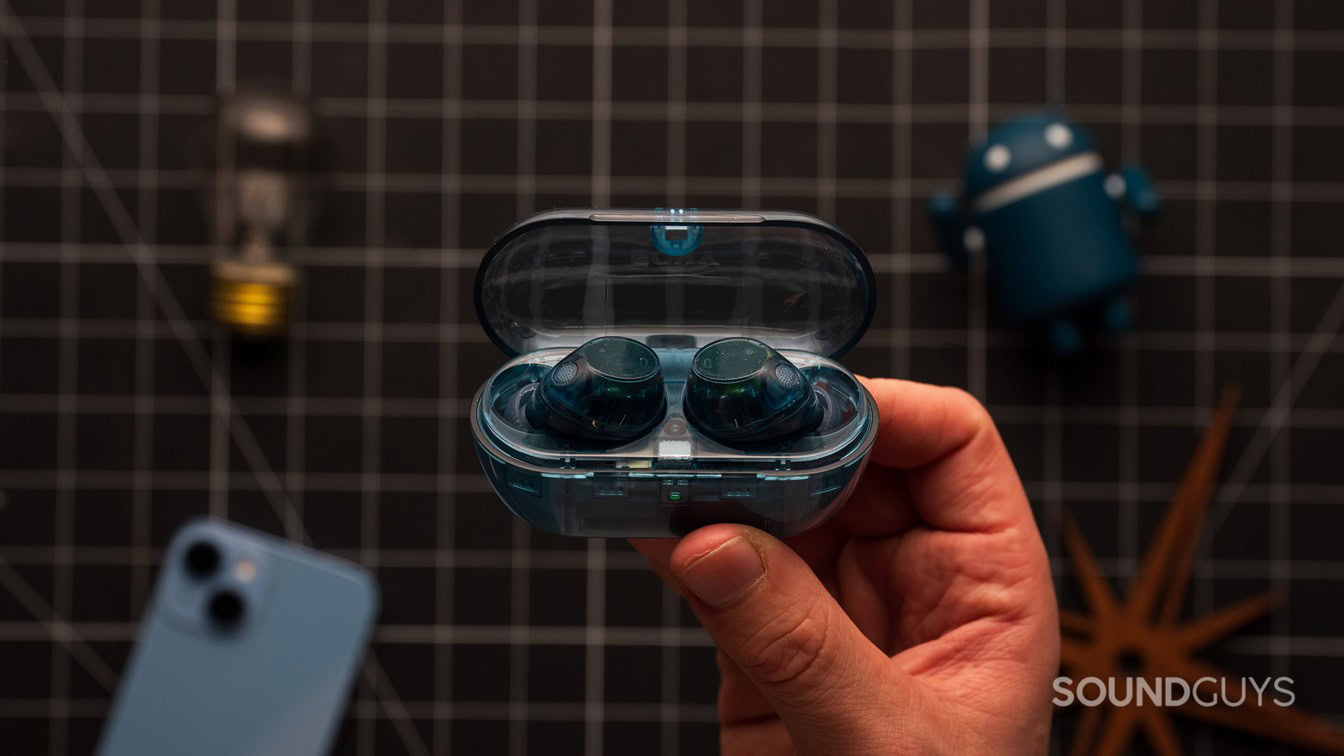 Sony WF-C710N deal drops these wireless ANC earbuds to just $88Android AuthorityAugust 20, 2026
 Gemini’s Daily Brief could soon land on your Pixel’s lock screenAndroid AuthorityAugust 20, 2026
 Amazon drops the TCL NXTPAPER 70 Pro below $280 in this best-price dealAndroid AuthorityAugust 20, 2026