TechnologyNews
Ars is looking for a senior technology reporter, and you might be it!
Desktops, laptops, phones, CPUs, GPUs, NAS—if you know this stuff, come work for us!
Ars Technica1 min read
Explore
The most-read articles on Virexa, ranked by real reader engagement.
1,000 results • Page 45 of 84
Desktops, laptops, phones, CPUs, GPUs, NAS—if you know this stuff, come work for us!
1 point 0 comments on Hacker News · github.com
Learn how to add Firebase Remote Config to an Android app built with Jetpack Compose.
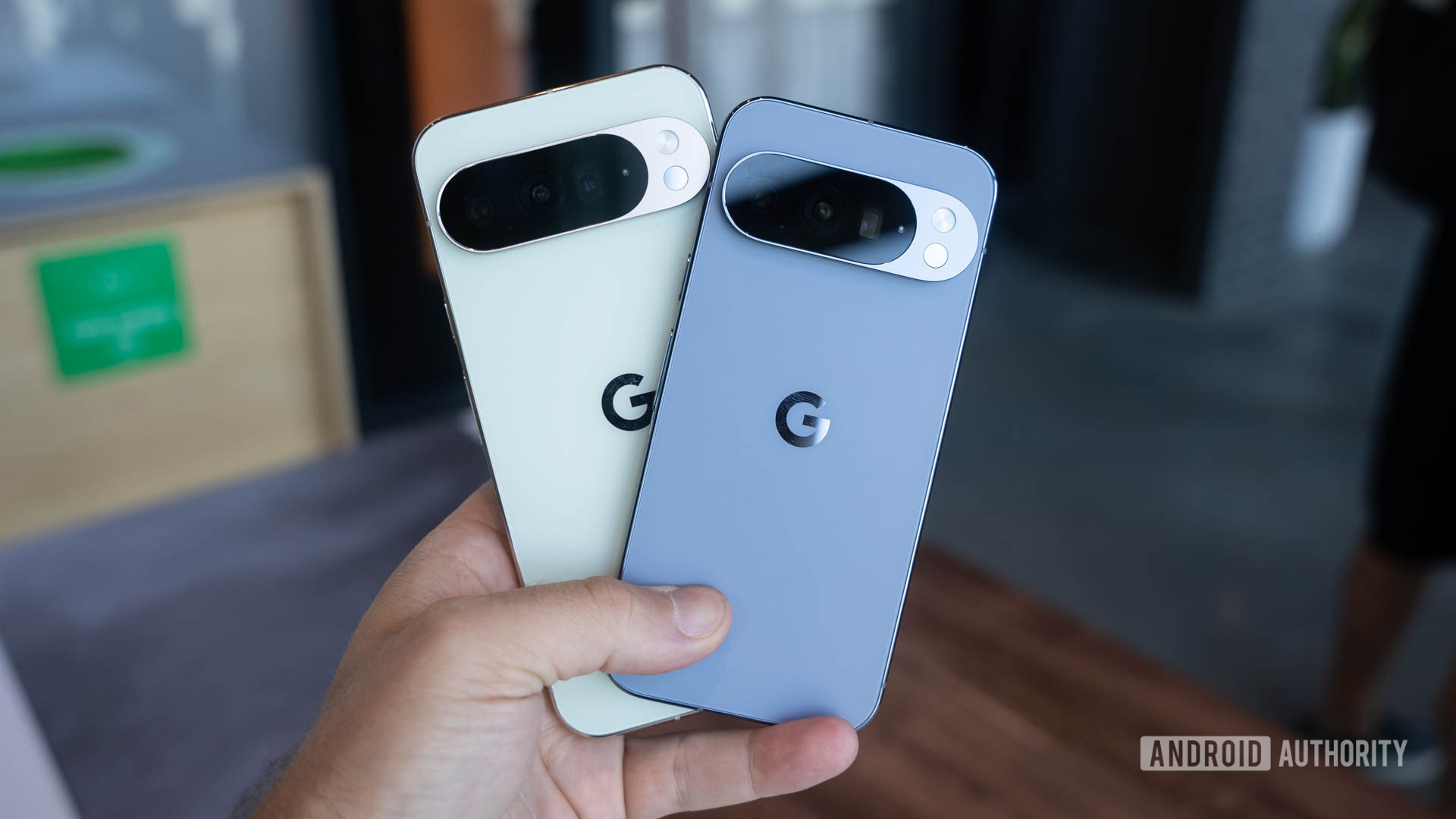
The full Pixel 11 palette is finally coming into focus.
Out of Dyson’s two new affordable stick vacuums, this one is easily my favorite.
Posted by Stevan Silva, Group Product Manager, and Vinny DaSilva, Developer Relations Engineer, Android XR From augmented overlays to fully immersive environments, the Android XR ecosystem is expanding rapidly, with the Samsung Galaxy XR already available today. Alongside the latest updates from Google I/O and this week's Augmented World Expo (AWE), we are rolling out new tooling, broader engine support, and ecosystem resources to help you build and scale experiences for Android XR. To get a quick look at what’s new, check out our video recap! Ready to dive deeper? Let’s jump into the major updates that will streamline your XR development workflow. Build, Prototype, and Iterate with Developer Preview 4 Developer Preview 4 of the Android XR SDK delivers the APIs and tools you need to design and build right from your laptop. This update includes the specific libraries required to target both immersive and augmented experiences. Check out the video below for a comprehensive breakdown of the latest in Android XR: To test all of these interactions without needing physical hardware, you can emulate and iterate on your code entirely within Android Studio . Check out our tooling deep dive to see how you can use XR emulator today: Extending your mobile apps for intelligent eyewear Building for audio and display glasses doesn't mean starting from scratch. With the Jetpack Projected library , you can take your existing mobile app to create a complementary augmented experience. The new release includes a Device Availability API that hooks into standard Android Lifecycle states, allowing your app to natively adapt its behavior based on whether the glasses are being worn. To accelerate your development journey, use Android CLI and the display glasses skill to extend your mobile app into an augmented experience. The skill is packed with specialized knowledge of Jetpack Compose Glimmer, enabling it to build your UI using our recommended design patterns. We’ve also updated Jetpack Compose Glimmer to optimize text legibility on optical see-through displays and provide touchpad-optimized navigation components. See how it looks in action: Developers at NAVER Papago are already exploring how to seamlessly bring their mobile experience directly to display glasses. To learn how to leverage these tools, watch this session on extending mobile apps for AI glasses: Building global, location-based immersive experiences For developers focused on immersive experiences, Developer Preview 4 brings modern, Kotlin-first architectural upgrades across our core perception libraries. We have also introduced an early preview of the Geospatial API for wired XR glasses. By combining ARCore for Jetpack XR with Google's Visual Positioning System (VPS), you can anchor digital content to high-precision real-world locations. Leverage the Platforms You Know with Expanded Engine Support We want you to build using the ecosystems and workflows you already know best. To make it easier to bring your existing XR experiences over to Android XR, we are thrilled to introduce official support for Unreal Engine and Godot alongside our existing Unity's support for wired XR glasses . With this expansion, we are introducing the Android XR Engine Hub , a desktop tool for Windows that shortens iteration cycles by bringing real-time testing directly into your engines viewport. Catch the full breakdown of our engine updates here: Apply Today for the Android XR Developer Catalyst Program In addition to providing the platform, we want to fuel your innovation directly through ecosystem resources. The Android XR Developer Catalyst Program is designed to support developers with access to pre-release hardware, including display glasses, and wired XR glasses. Accepted developers will receive resources, support forums, and launch guidance to prepare their apps for Google Play. Applications are open right now, so don't wait to submit your project ideas . Start Building! The ecosystem is growing rapidly, and the tools are ready for you to explore. Samsung Galaxy XR is available now, and you can dive in today with Developer Preview 4 of the Android XR SDK . If you don’t have hardware yet, check out the tools and to get started with the XR Emulator in Android Studio . For a complete look at all of our technical sessions, browse the full Android XR Playlist on YouTube to see what else is possible. We can’t wait to see what you build!
I'm the founder of Scalattice, this is my second company, third total product. I'm a 2x founder building some challenging software, some easy software, and some curiosity based tools that I've just always wanted to be a part of! So here is Scalattice. Scalattice is an OpenAI-compatible inference API. You keep the OpenAI SDK, swap base_url + API key, and call open models (Qwen3, Llama 3.3 70B, Gemma 3, DeepSeek R1, etc.). Inference is performed by a provider node on our distributed network of consumer hosted inference machines, we run an open source agent ( https://github.com/scalattice/scalattice-agent ) which works in Rust to run the inference and get the provider paid. In short, anyone can become a provider, offer up their machine with our Windows/Linux Rust agent, and earn some extra cash, or start a farm of machines to make big bucks. I decided to build some innovative behavioural traits to the API for higher performance/security: 1. output vetting - Scalattice Cloud vets the response against replica responses requested on the API header N times. 2. security tiers - Using some split inference, the job is completed in chunks by multiple providers and in part by Scalattice Cloud hypervisor for added security/privacy (at an additional cost) 3. regional policy - I know how important data residency is to developer clients (from my experience with Digital ID Infrastructure) and so I built the platform to let developers specify the region for inference. We pay our providers a majority share (Currently 80%) of every token spent by the developer. We currently back the network with a failover of our own company machines which ensures we never drop a request. If you want to give it a try in a couple of minutes, we are currently running a "Top Up $10 for UNLIMITED QWEN3" for an entire month of API calling, (terms and conditions apply). If you want to give it a try in a couple of minutes: 1. Create a key at https://scalattice.cloud/developers 2. Use the copy-paste snippet on the linked post 3. Live rates: https://scalattice.com/pricing Or, if you want to be a provider (We are really keen to onboard people and get them earning): 1. Create a machine at https://scalattice.cloud/providers 2. Download our Windows app, or use our on-page instructions to curl the agent installation script for Linux. 3. Attach a provider token to the app or Linux agent from the Machine created on the website. 4. Control the machine from the website, select which models you want to offer, and the physical hardware components to use for inference and the hours of operation. 5. Earn! Happy to take feedback - especially on DX, pricing clarity, and what would make you try this instead of Together / Fireworks / OpenRouter / Salad etc. This is my first time posting on HN, please let me know if you think the product has potential, there are obviously trade-offs with non-datacentre inference (latency, capability of cards), but I think this could serve a decent amount of developers very well, because not everyone needs H100 cards for their inference. Thanks again.
A large study suggests that GLP-1 drugs including Ozempic and Mounjaro may slightly increase the risk of hair loss in people with type 2 diabetes. Compared with two other common classes of diabetes medications, GLP-1 users had a significantly higher rate of alopecia, though the absolute risk was still low. The hair loss was mainly non-scarring, which means it may be reversible.
Google released Gemini 3.6 Flash, 3.5 Flash-Lite, and Flash Cyber, but the continued absence of Gemini 3.5 Pro raises fresh questions about its AI strategy.
The New York City mayor instead called on US authorities to act on International Criminal Court's arrest warrant against the Israeli prime minister.
Ozempic, Wegovy, and similar drugs may deliver excellent health value, but covering them for millions of eligible patients could overwhelm insurance budgets. Researchers say better long-term support is needed and warn that low-cost compounded versions may carry serious safety risks.
Cloud Functions for Firebase 2nd gen, now Generally Available, features more efficient functions, new triggers, and support for Python.
Hacker News
“GPT-5.5's API pricing is reshaping how startups build AI products”