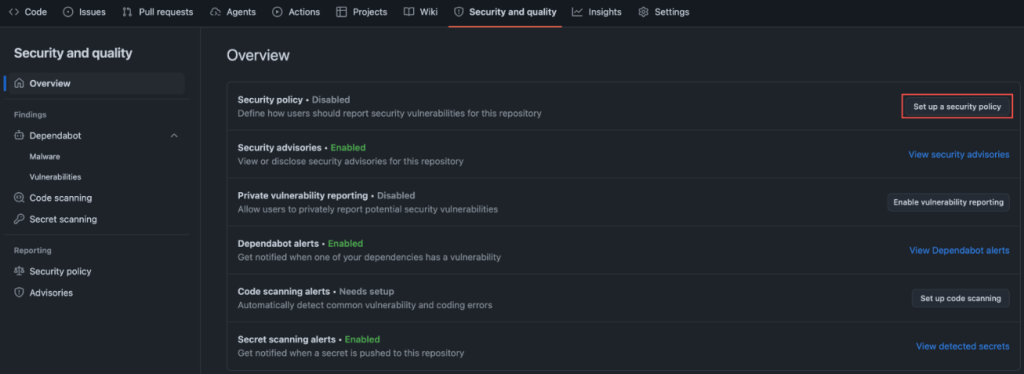
These six free settings will not make your project unhackable. Nothing will. What they will do is close the easy doors. Turn these on, and your project will be meaningfully harder to attack than it was before. The post 6 security settings every GitHub maintainer should enable this week appeared first on The GitHub Blog .
Two men pleaded guilty in the United Kingdom this week to criminal charges stemming from an August 2024 cyberattack that crippled Transport for London, the entity responsible for the public transport network in the Greater London area. The duo were key members of a prolific cybercrime group known as Scattered Spider, and their guilty pleas came on the first day of what was expected to be a six-week trial.
For the past four years, a sprawling Android-based botnet called Popa has forced millions of consumer TV boxes to relay Internet traffic linked to advertising fraud, account takeovers, and mass data-scraping efforts. This week, researchers from multiple security firms concluded that the Popa botnet is linked to NetNut, a "residential proxy" provider operated by the publicly-traded Israeli firm Alarum Technologies Ltd [NASDAQ: ALAR].
A cybercrime group known as The Gentlemen has emerged as the second most active ransomware gang by victim count, rapidly attracting a talented pool of hackers through an aggressive recruitment strategy that promises affiliates 90 percent of any ransom paid by victims. This post examines clues pointing to a real life identity for the administrator of The Gentlemen ransomware group.
Microsoft today released software updates to plug nearly 200 security holes across its Windows operating systems and supported software, a record number of fixes for the company's monthly Patch Tuesday cycle. Nearly three dozen of those bugs earned Microsoft's most dire "critical" rating, and exploit code for at least three of the weaknesses is now publicly available.
Authorities in the Netherlands have arrested the co-owners of two related Internet hosting companies for operating IT infrastructure used by Russia to carry out cyberattacks, influence operations and disinformation campaigns inside the European Union. The two men were the focus of a 2025 KrebsOnSecurity story about how their hosting companies had assumed control over the technical infrastructure of Stark Industries Solutions, an Internet service provider sanctioned last year by the EU as a frequent staging ground for cyber mischief from Russia's intelligence agencies.
Posted by Suzanne Frey – VP, Product, Trust & Growth for Android You shouldn’t have to choose between open and secure. By engineering security into the core part of the OS, Android has proven that you can have both, and we continue taking new steps in that direction. As new threats emerge, we’ve continued to evolve our defenses. Following recent attacks, including those targeting people's financial data on their phones, we've worked to increase developer accountability to prevent abuse. We’ve seen how malicious actors hide behind anonymity to harm users by impersonating developers and using their brand image to create convincing fake apps. The scale of this threat is significant: our recent analysis found over 50 times more malware from internet-sideloaded sources than on apps available through Google Play. To better protect users from repeat bad actors spreading malware and scams, we're adding another layer of security to make installing apps safer for everyone: developer verification . Starting next year, Android will require all apps to be registered by verified developers in order to be installed by users on certified Android devices . This creates crucial accountability, making it much harder for malicious actors to quickly distribute another harmful app after we take the first one down. Think of it like an ID check at the airport, which confirms a traveler's identity but is separate from the security screening of their bags; we will be confirming who the developer is, not reviewing the content of their app or where it came from. This change will start in a few select countries specifically impacted by these forms of fraudulent app scams, often from repeat perpetrators. Since we implemented verification requirements on Google Play in 2023, we have seen firsthand how helpful developer identification is in stopping bad actors from exploiting anonymity to distribute malware, commit financial fraud, and steal sensitive data. Bringing a similar process to Android more broadly will provide a consistent, common sense baseline of developer accountability across the ecosystem . In early discussions about this initiative, we've been encouraged by the supportive initial feedback we've received. In Brazil, the Brazilian Federation of Banks (FEBRABAN) sees it as a “significant advancement in protecting users and encouraging accountability.” This support extends to governments as well, with Indonesia's Ministry of Communications and Digital Affairs praising it for providing a “balanced approach” that protects users while keeping Android open. Similarly, Thailand’s Ministry of Digital Economy and Society sees it as a “positive and proactive measure” that aligns with their national digital safety policies. And partners like the Developer’s Alliance have called this a “critical step” for ensuring “trust, accountability, and security” across the entire ecosystem. To make this process as streamlined as possible, we are building a new Android Developer Console just for developers who only distribute outside of Google Play, so they can easily complete their verification; get an early look at how it works . A note for student and hobbyist developers: we know your needs are different from commercial developers, so we’re creating a separate type of Android Developer Console account for you. If you distribute apps on Google Play, you’ve likely already met these verification requirements through the existing Play Console process. You can find more information about how these requirements apply to you in our guides . To be clear, developers will have the same freedom to distribute their apps directly to users through sideloading or to use any app store they prefer. We believe this is how an open system should work—by preserving choice while enhancing security for everyone. Android continues to show that with the right design and security principles, open and secure can go hand in hand. For more details on the specific requirements, visit our website . We'll share more information in the coming months. Timeline and how to prepare To help you get ready, we encourage all developers who distribute apps on certified Android devices to sign up for early access. This is the best way to prepare and stay informed. Early participants will also get: An invitation to an exclusive community discussion forum. Priority support for these new requirements. The chance to provide feedback and help us shape the experience. Sign up for early access now ( Update 4/21/2026: Early access is closed and verification is open to all developers .) Here is the timeline to help you plan: October 2025: Early access begins. Invitations will be sent out gradually. March 2026: Verification opens for all developers. September 2026: These requirements go into effect in Brazil, Indonesia, Singapore, and Thailand. At this point, any app installed on a certified Android device in these regions must be registered by a verified developer. 2027 and beyond: We will continue to roll out these requirements globally.
We're excited to deliver one of the most popular feature requests for Security Rules. Security Rules in Cloud Storage for Firebase now supports cross-service Rules.