TechnologyNews
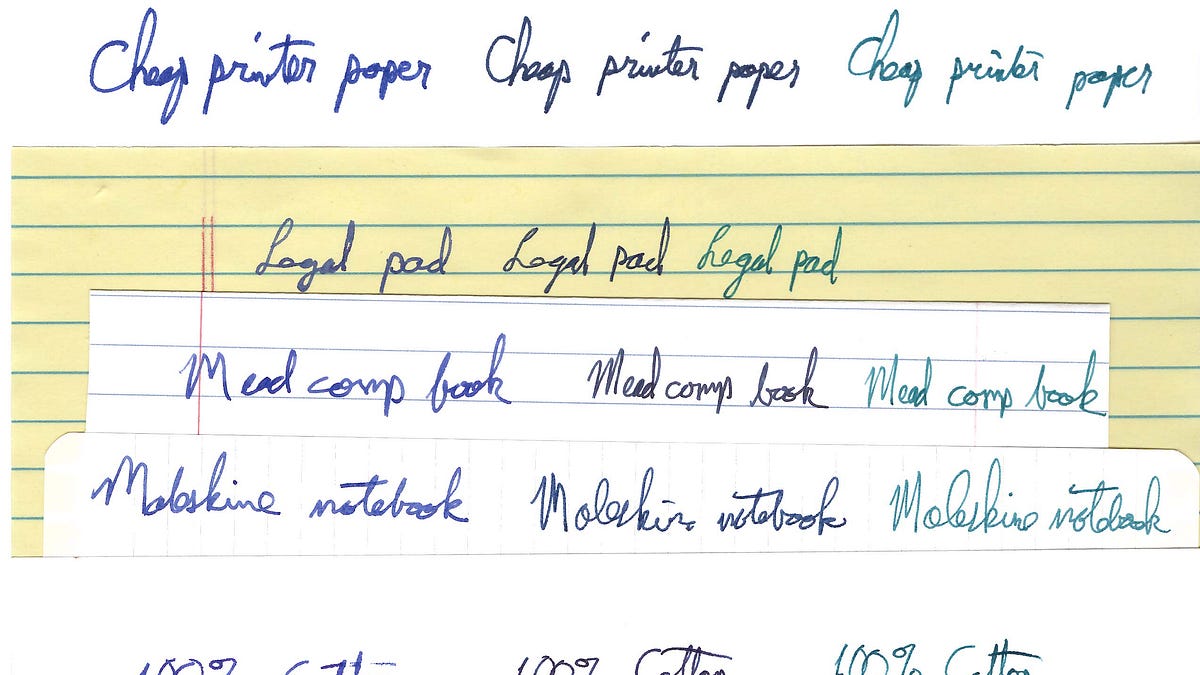
Writing by hand is good for your brain
1435 points 650 comments on Hacker News · nealstephenson.substack.com
Hacker News1 min read
Explore
Browse every article collected by VIREXA. Newest articles appear first.
1,024 results • Page 54 of 86
1435 points 650 comments on Hacker News · nealstephenson.substack.com
156 points 82 comments on Hacker News · mathunion.org
269 points 52 comments on Hacker News · haqr.eu
506 points 505 comments on Hacker News · xn--gckvb8fzb.com
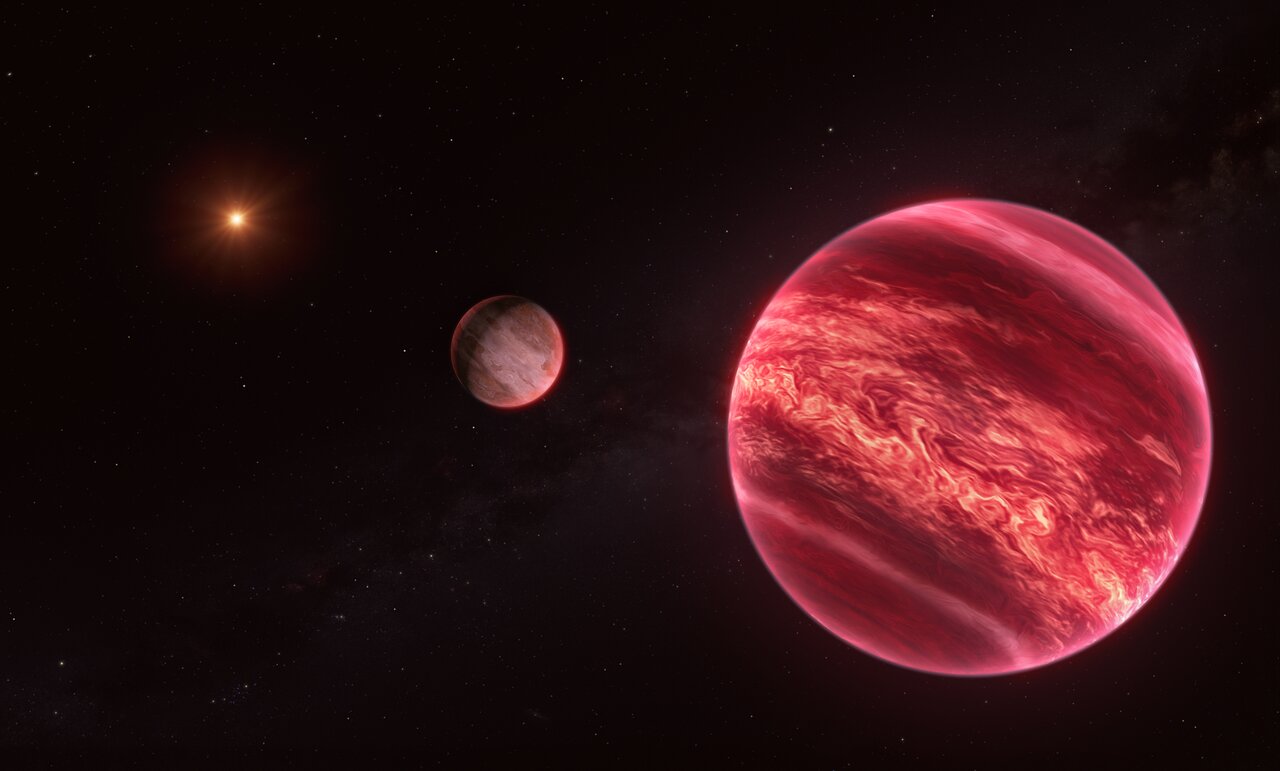
207 points 76 comments on Hacker News · eso.org
33 points 19 comments on Hacker News · purplesyringa.moe
213 points 235 comments on Hacker News · darpa.mil
We have a black hole at home — with actual relativistic physics, live in your browser. I'm Sasha (Alexander) Plavin, an astrophysicist at Harvard's Black Hole Initiative studying quasars and black hole environments. I work with raytracing/radiative transfer simulations professionally, and wanted to make one anyone can play with — so I built this app. Put the black hole onto your screen (any browser), or directly into your room with AR or VR (requires WebXR, for example Chrome on Android, or any VR headset). When looking around, pay attention to unintuitive relativistic effects: rays bending around the black hole, and special relativistic "Doppler boosting" changing brightness depending on the viewing angle — zoom out to see the fast jet where the latter effect is especially pronounced. Faint markers show where other viewers are standing right now. Alternatively, put the black hole in front of your camera and watch it lens your actual surroundings. Light winds around the hole, so you see both what's in front of you and what's behind you at once (when the device and browser allow both camera feeds). The closer to the black hole, the stronger the bending — and the longer the light-travel delay: wave at it and watch the changes propagate inward. (unfortunately, WebXR restrictions make AR passthrough and the camera feed mutually exclusive) No signup, basic features work on every device, no data uploaded — the camera feed never leaves your device. Source code: https://github.com/aplavin/blackhole.plav.in . Enjoy having a black hole in your room, or use it for education/outreach — any questions, feedback, or suggestions are welcome!
680 points 368 comments on Hacker News · futurism.com
50 points 3 comments on Hacker News · faculty.lsu.edu
OP here: I created this visualization tool as the byproduct of a supply chain class I taught at Columbia. The pedagogical exercise grew into a full blown visualization and paper about global oil trade. The model: The mechanics are the same as the financial network Eisenberg-Noe: Instead of banks, every country consumes oil interconnected via bilateral trading. Shocks propagate throughout the network, depleting oil reserves when bottleneck nodes (such as the Strait of Hormuz) are blocked. Insights: The interesting part is the mechanics of how the crisis unfolds: for example, France receives 0 oil from Hormuz directly, yet their reserves are depleted faster because other countries reactively increase their safety oil stock, increasing oil price, making stockouts more expensive for everyone. The model also gives price dynamics which are interesting on their own: the price increase is not immediate, it follows sequentially as countries reserves deplete. Some caveats: 1. For producer nodes, depletion means their export slack is reduced/exhausted. 2. No sanctioned trade (UN Comtrade data) Technical Details: The visualization is 600 lines of flask plus js frontend (LLM assisted visualization with ground-truth matching the original numerical exercise of the paper) Paper with proofs/theory: https://arxiv.org/abs/2607.17491
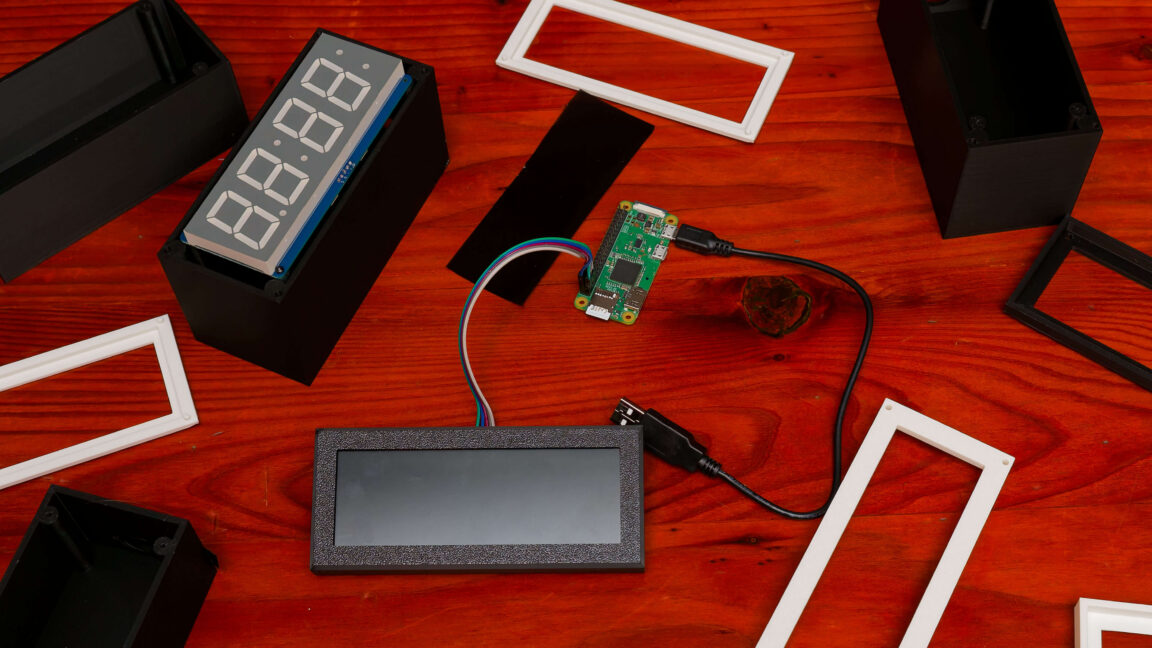
72 points 72 comments on Hacker News · arstechnica.com
Hacker News
“GPT-5.5's API pricing is reshaping how startups build AI products”