Mobile Games
 Deconstructor of FunFebruary 16, 20265 min read4 views
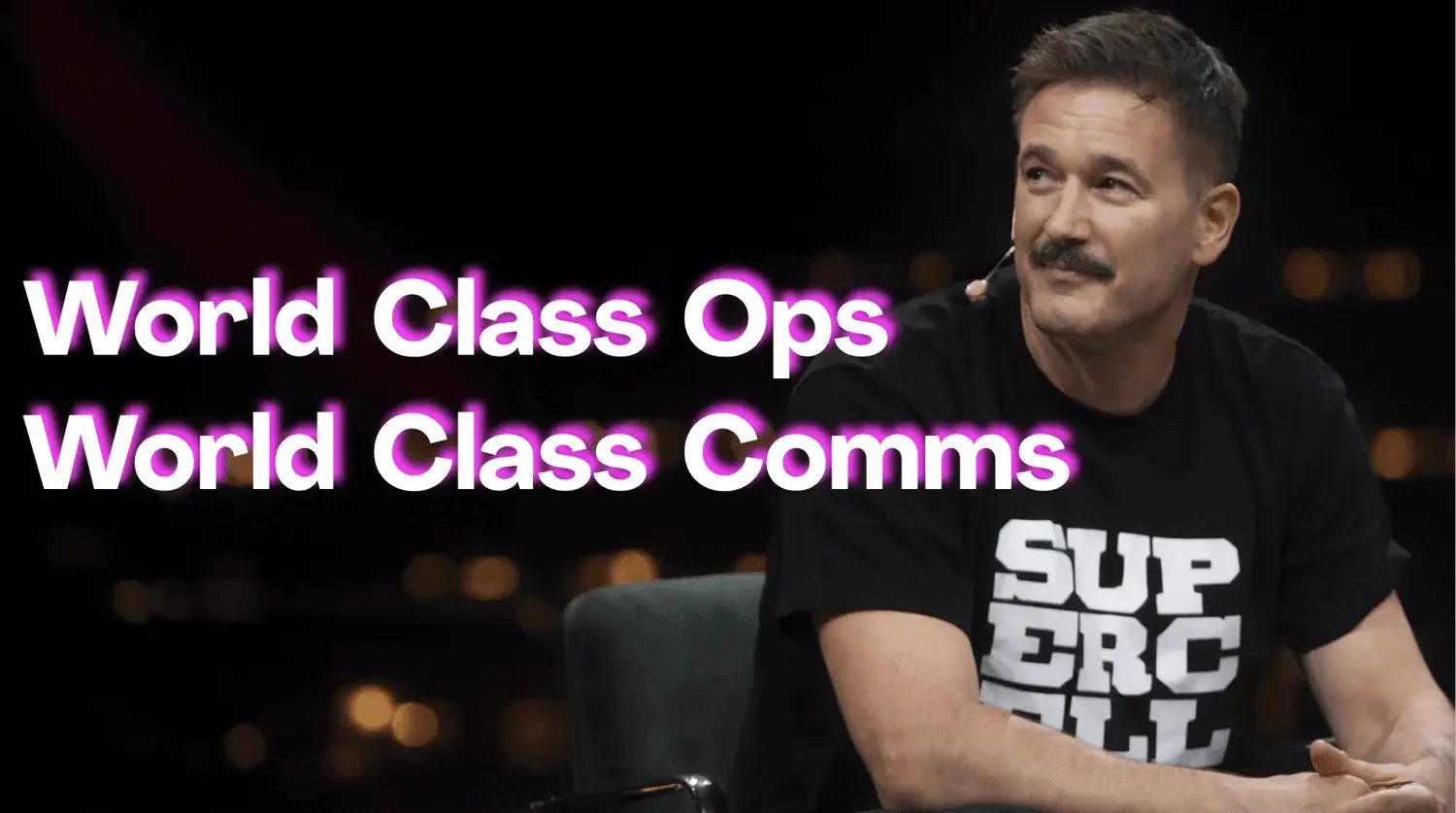
Supercell CEO’s annual CEO letter did what the best corporate communications do. The excellence in operations is self-evident as the company surged to $3B in revenue with $1B in pure profit. And the excellence in communication was truly on display during the “Spit in the Face” backlash.
If you want a clean takeaway, it is this: Supercell has become a portfolio operator that can manufacture relevance. That is a different skill. And I’d even argue that it is a more durable one than what they had before.
1. Supercell grew a live game, again! Clash Royale scaled during 2025 after which the decade old title returned to it’s previous (high) levels The most “real” part of the story is Clash Royale’s comeback, because it came with measurable texture instead of vibes.
That matters for two reasons: Reigniting a game is harder than shipping a new game that works. A new game can win by being fresh. A ten-year-old game has to win by being worth returning to.
You do not just tune the economy, add a couple of features, and start user acquisition. You have to re-earn attention from players who already decided to leave. ” For years, Supercell’s identity was the mythical hit factory.
One constructive critique here is about what Supercell chooses to highlight. ” Those are not contradictory, but they are different operating systems. 2.
The company is growing and adding layers, gates, and leadership The Squad Busters section of the blog post is a governance announcement. Ilkka calling it a miss, publicly, is uncommon. Leaders usually hide behind “learnings” without naming the underlying decision failure.
Here, Ilkka uses the miss as credibility capital. ” The modern Supercell reality is that autonomy without hard gates becomes expensive optimism. And in the modern mobile market, small teams just don’t cut it.
While a big organization cannot run purely on faith and taste. It needs decision points that prevent momentum from turning into sunk cost. Constructive criticism: Supercell could be explicit about what those gates are designed to protect.
If the gate is “long-term trajectory,” great. Define it better. Is it a retention shape?
Is it payer conversion? Is it depth of mastery? Is it evidence of a meta that can evolve for years?
The industry copies Supercell. When the criteria stay implicit, people copy the tone instead of the discipline. 3.
CEO communication that is best in class, beyond gaming Most CEO letters fail in one of two ways: 1) They either read like a legal document with a human signature or 2) like a founder monologue that dodges responsibility with charisma. Supercell’s letters have historically been neither. They are corporate instruments, but written with a founder’s voice.
The source material is blunt about what these letters are doing. They get ahead of financial disclosure timing. They build corporate citizenship.
They reinforce the founder brand. They support hiring. They align the board and internal teams around a narrative.
That is not a critique. That is what elite corporate communications look like. The reason Ilkka’s writing stands out is the operating posture behind it.
He admits the miss. He frames the ambition. He takes ownership quickly when something goes wrong in public.
There is another subtle strength here: the recruiting call-to-action is transparent. The letter sells Supercell as a platform for builders: capital, talent density, a model, and now a reshaped machine with a clearer runway and profit participation. Constructive criticism: do not let the mythology outrun the evidence.
The source text itself points out that “launchpad for builders” is directionally right, but externally thinner than the narrative suggests. Many original builders are gone, the newer employees haven’t succeeded as well in new games, as they have mastered the live operations, and the dedicated Supercell Investments team is still perfecting the secret sauce. 4.
The “spit in the face” debacle: why it was not a big deal, and why it still mattered The “spit in the face” moment is worth discussing precisely because it was so modern. Two things can be true at once. Creators may not have been the cause of Clash Royale’s return, but for sure, they correlated with it.
” They are a negotiating party in the public story of why a game was won. That is new power. What makes this “not such a big deal” is exactly how it was handled .
That is the whole ballgame. The correction was swift, non-defensive, and practical. No grandstanding.
” The lesson is that narrative control has changed. The clean corporate story is now co-owned by external power centers: creators, community leaders, platform partners, even meme pages. Your job is not to surrender your narrative.
Constructive criticism: if “sharing and helping each other” is the theme, then “sharing” must include who actually carried the story into the market. Supercell, importantly, is not a novice here. It runs one of the most powerful creator communities in gaming.
Philosophical Musing: The Positive Synthesis If you want to be positive about Supercell without being naive, praise the right things. Praise the portfolio craft. Praise the governance evolution.
Praise the communication standard. Praise the handling of the creator flare-up. Then keep one constructive thread alive: do not let the “new hits” myth distract from the operational truth that Supercell’s current edge is portfolio compounding and elite live operations, plus the willingness to institutionalize gates when the organization grows.
The industry needs to copy the discipline.
Deconstructor of Fun
deconstructoroffun.com